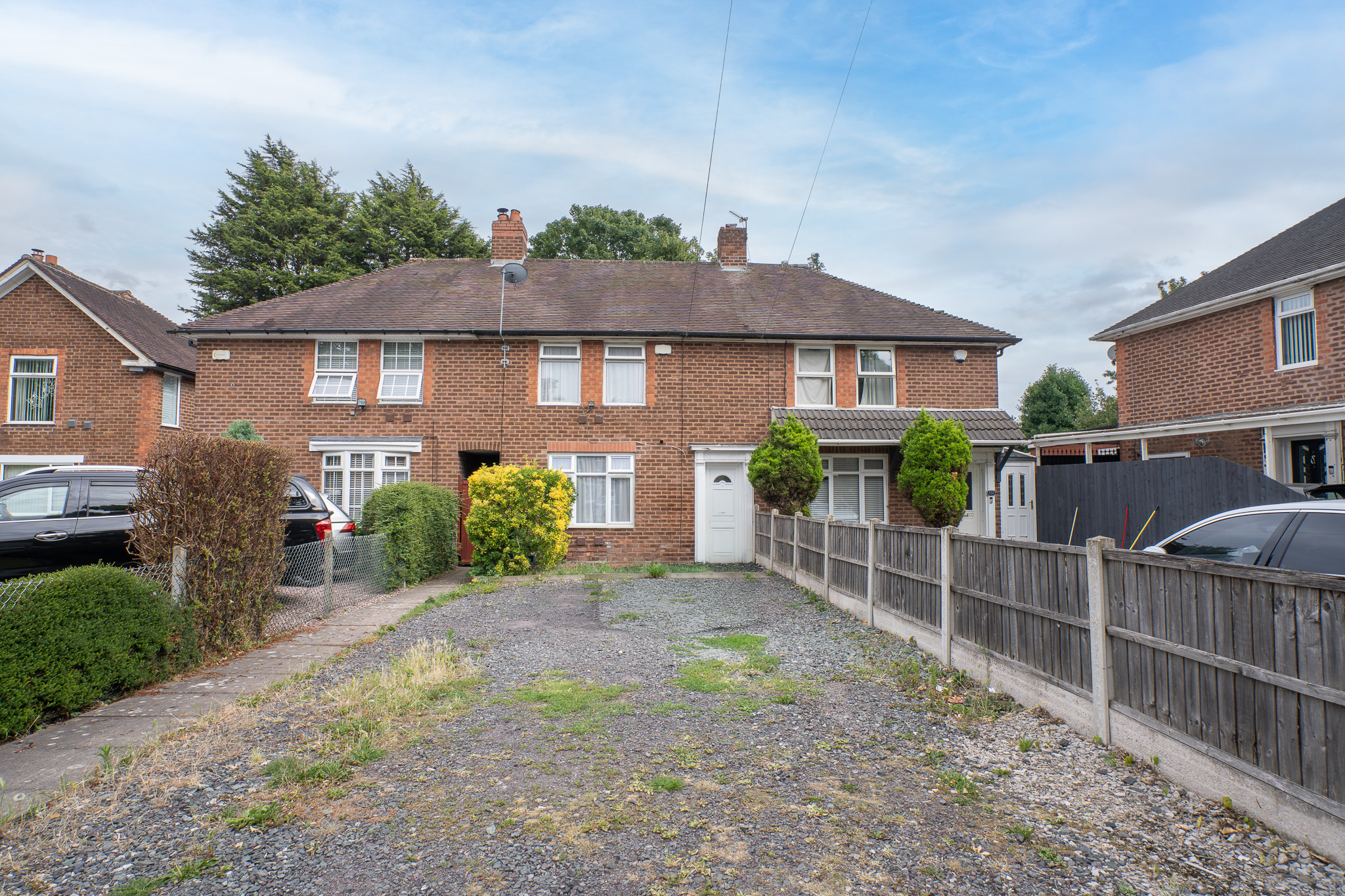
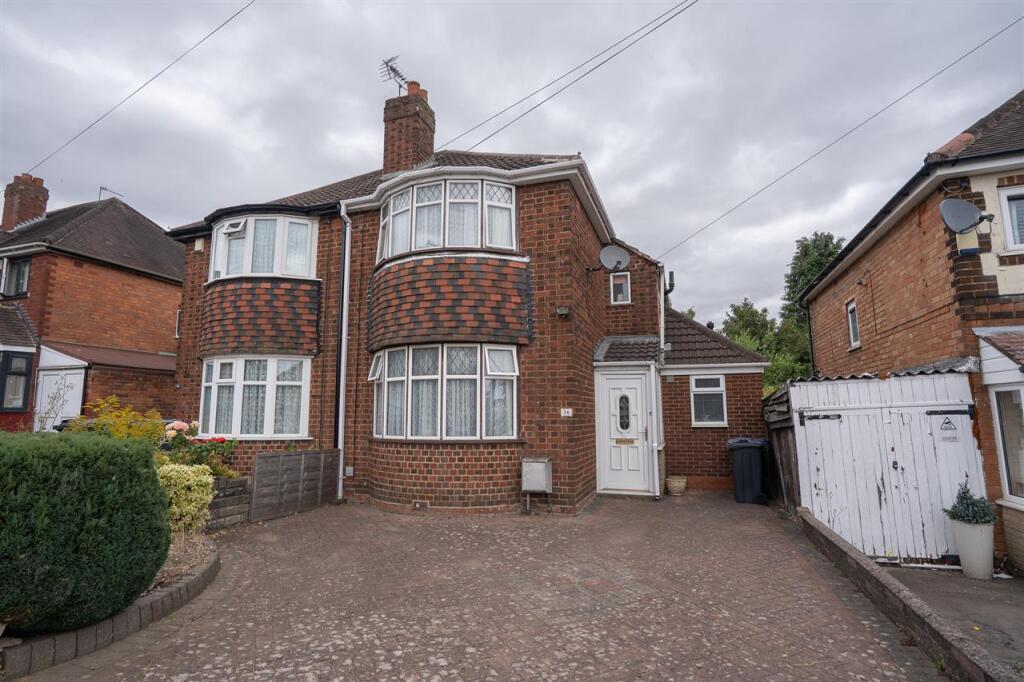
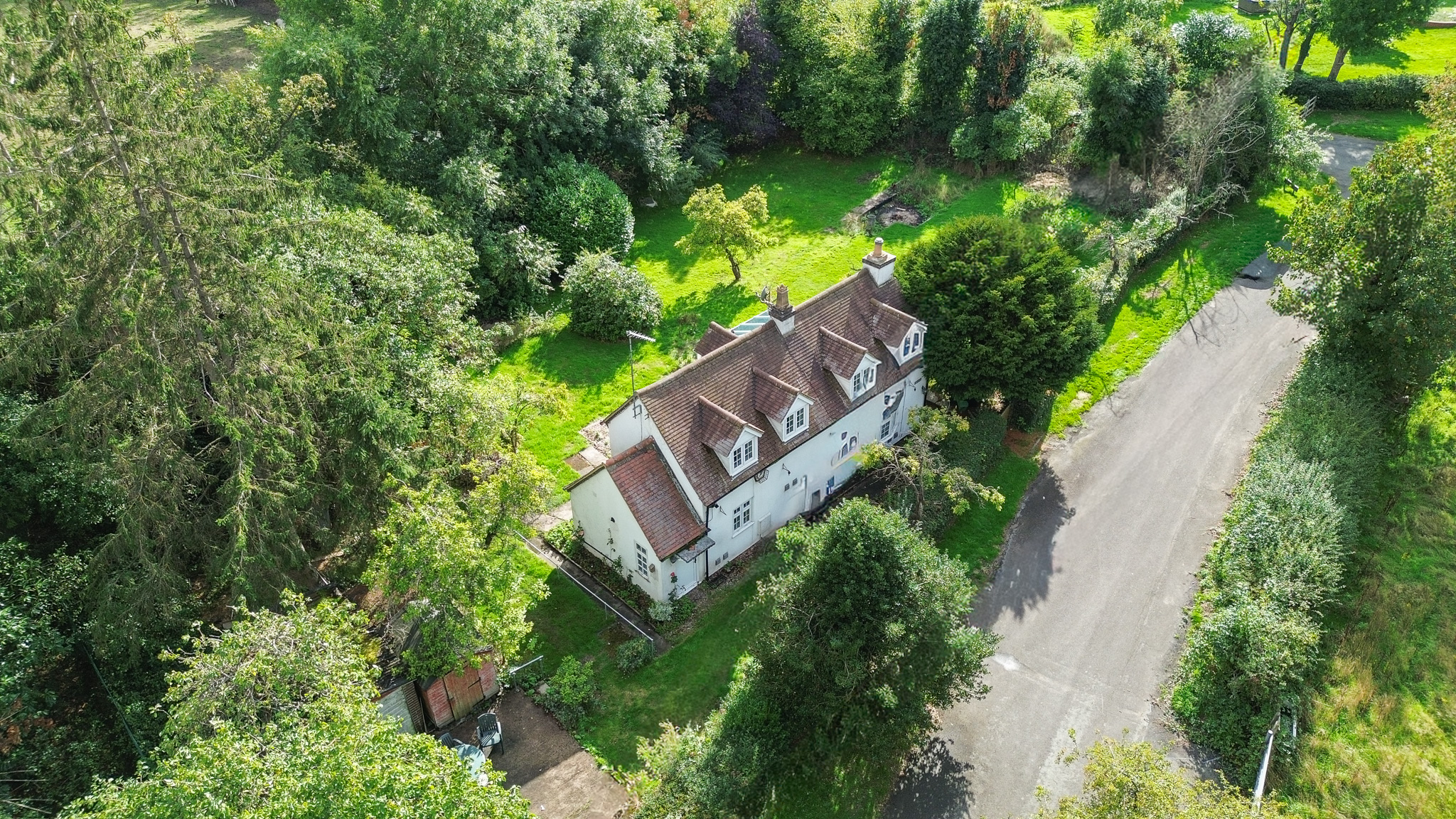
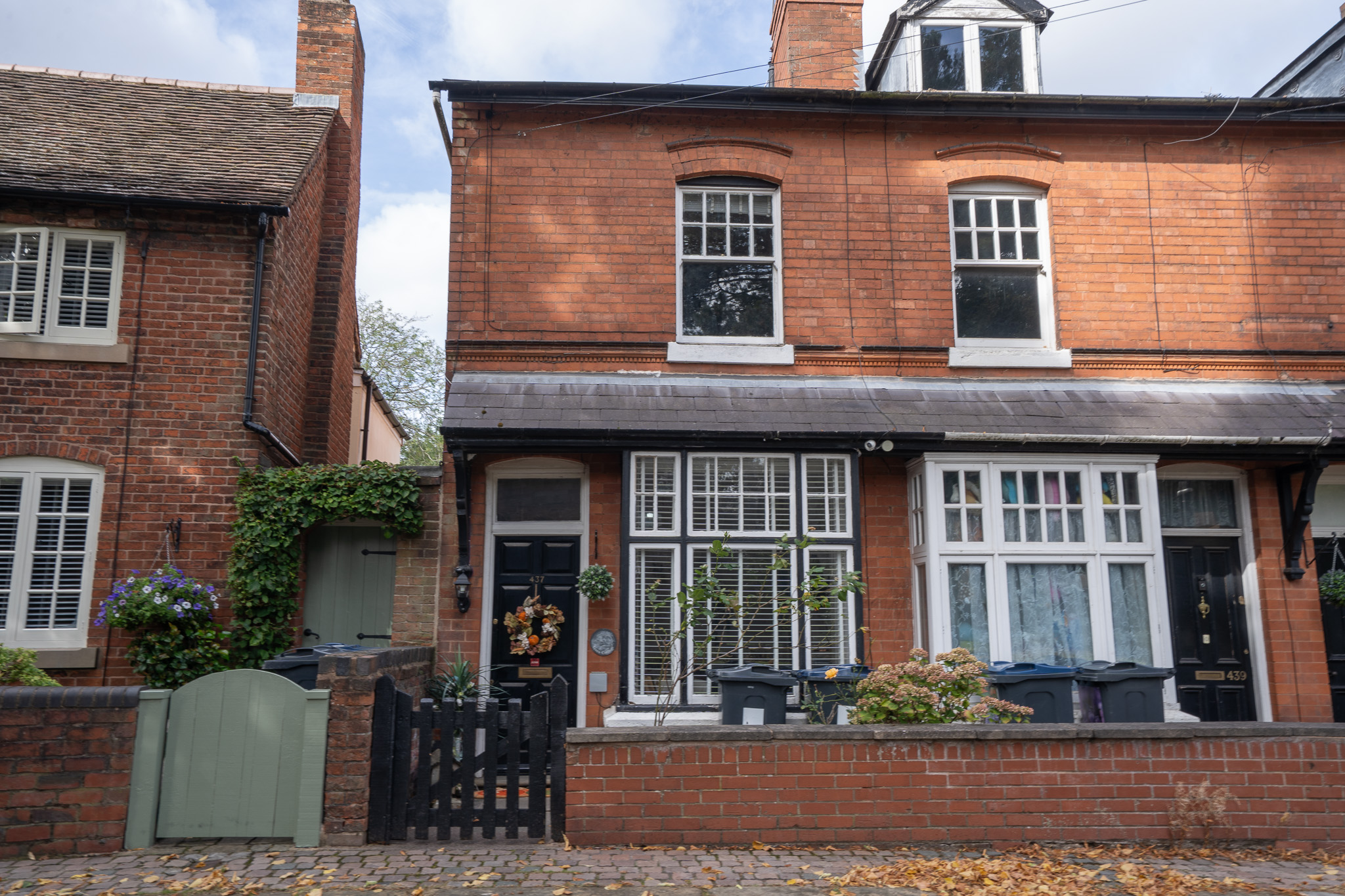
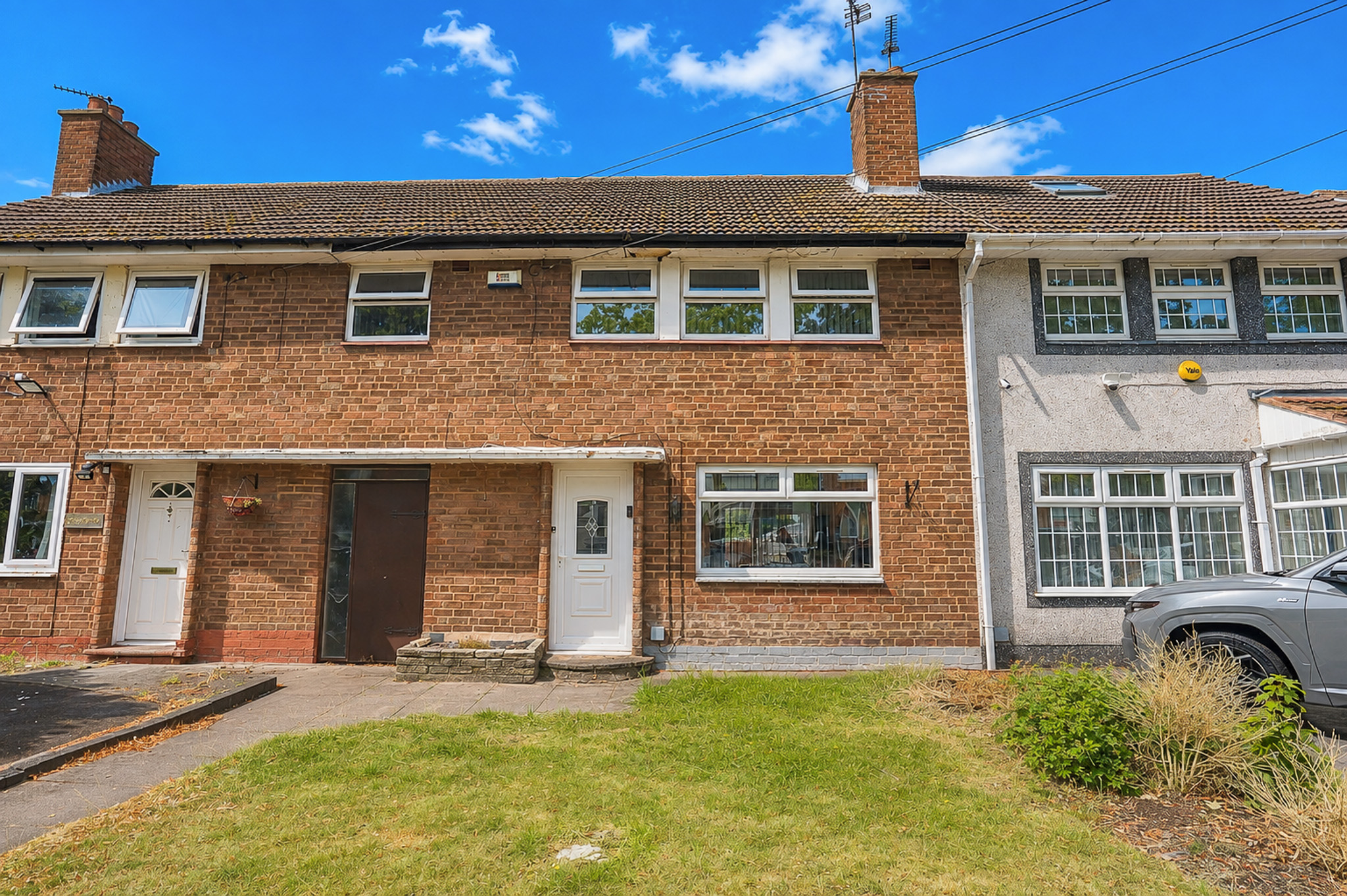
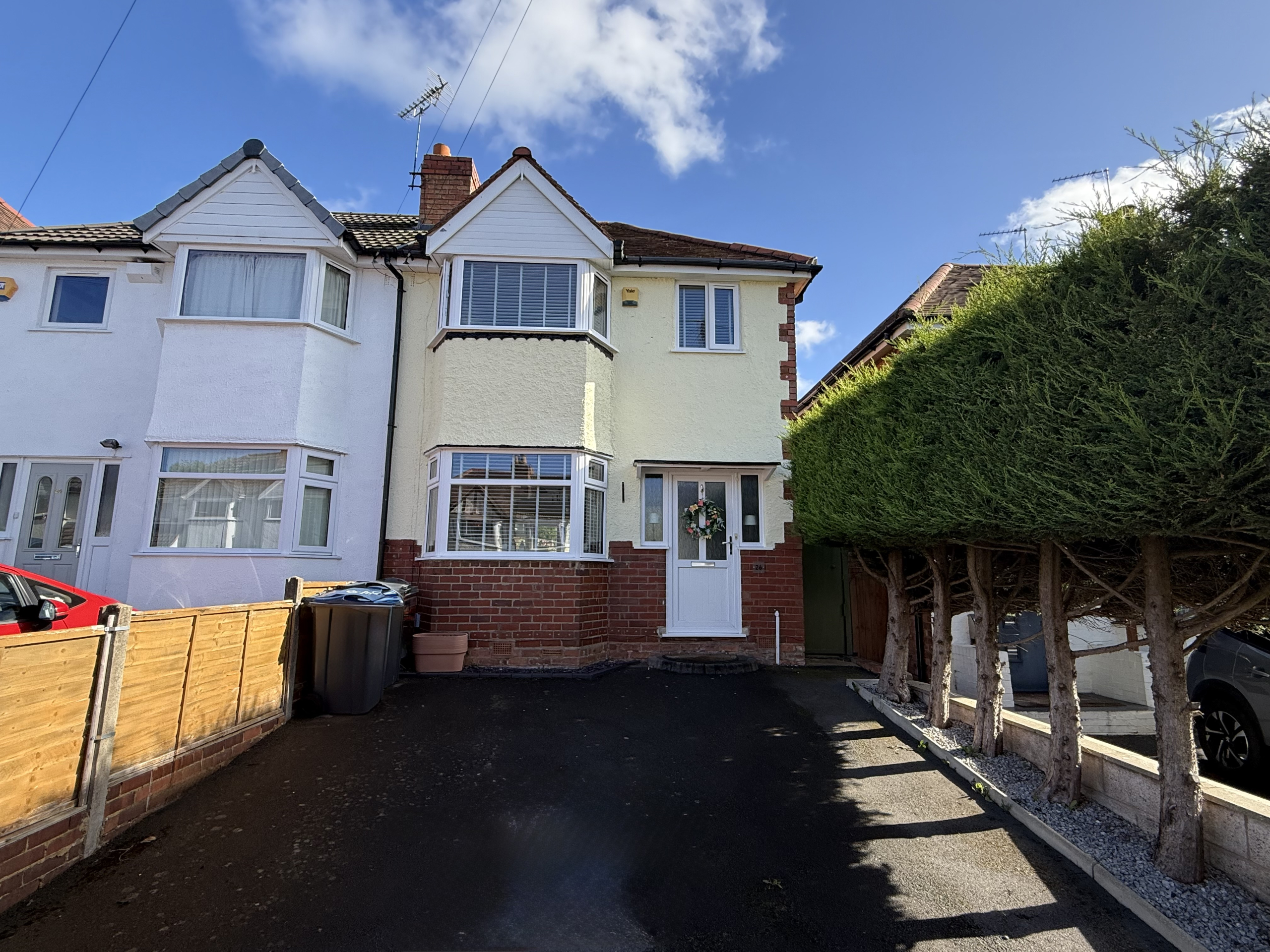
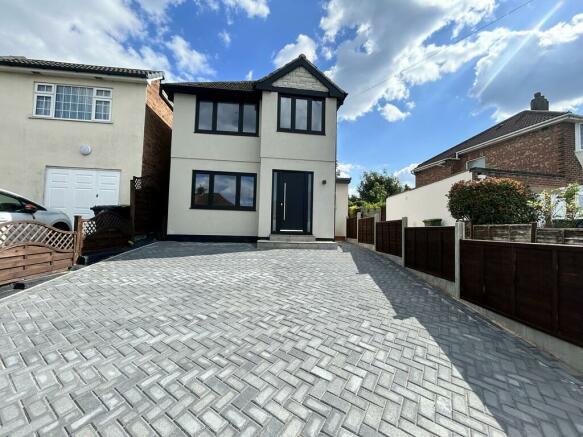
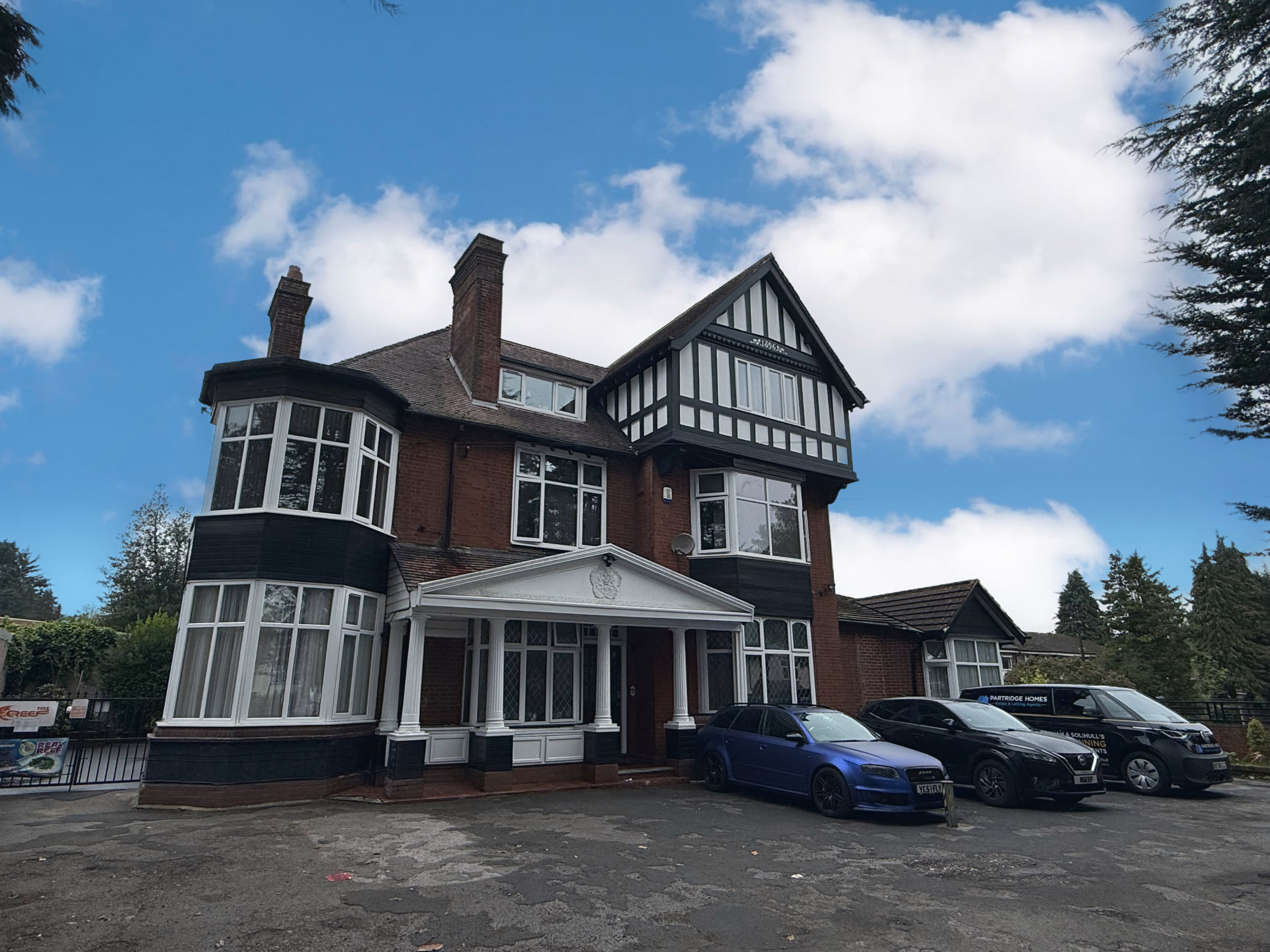
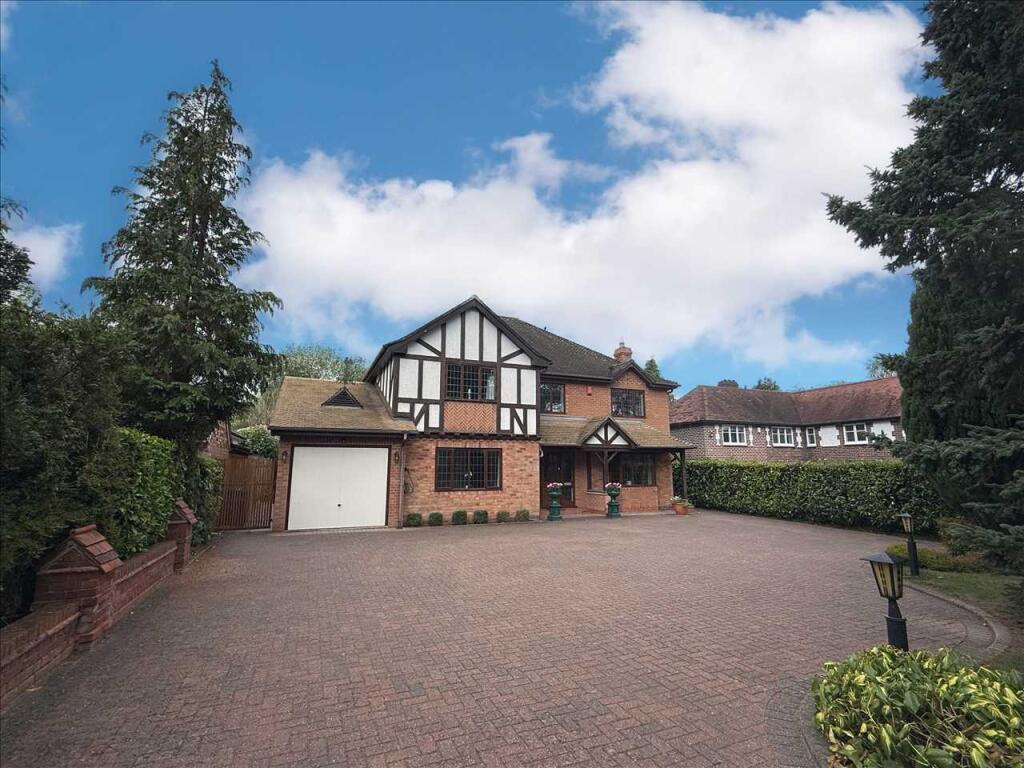
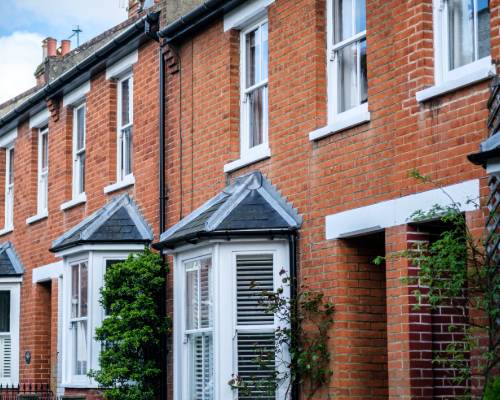
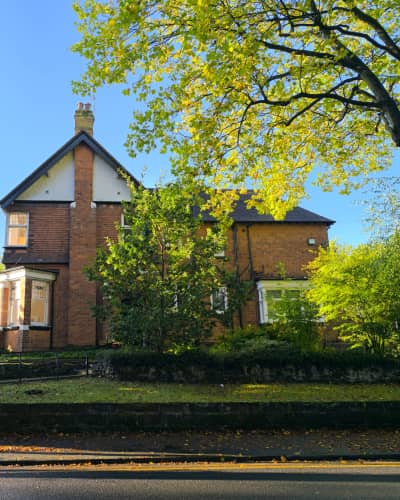
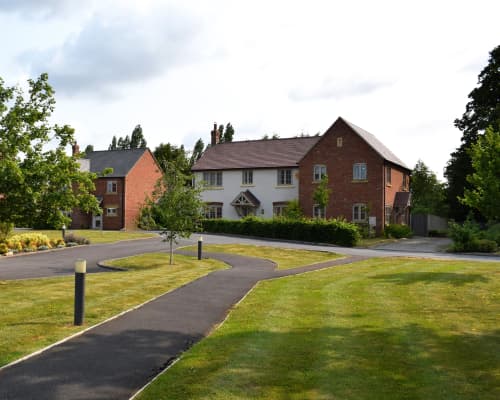
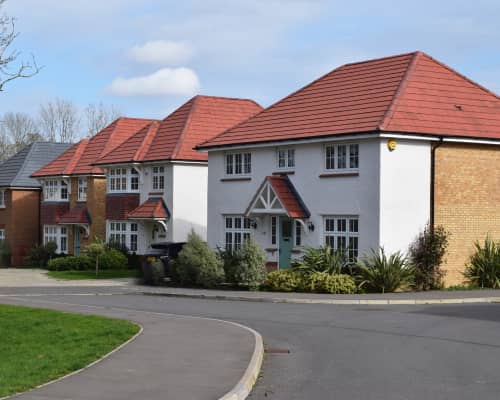
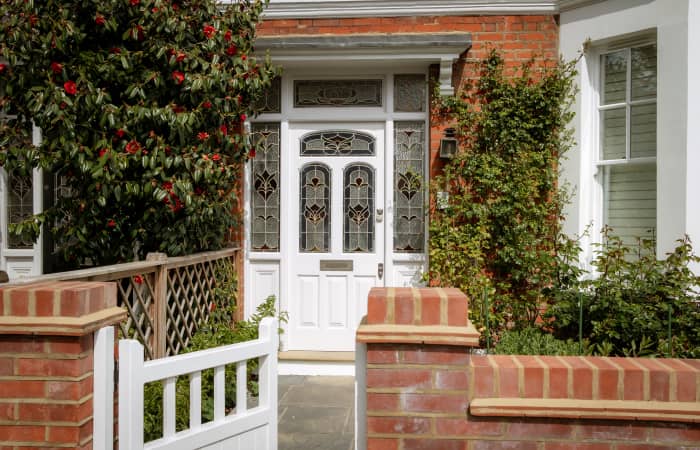
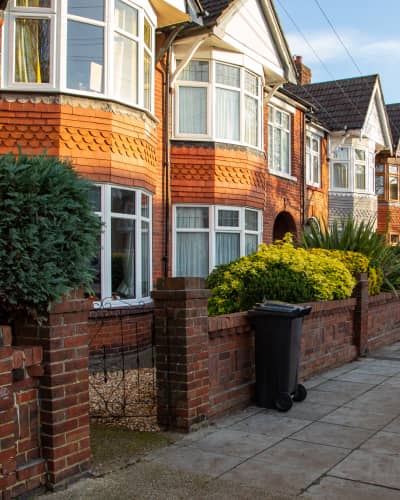
Property styles: Solihull’s housing stock is varied and, at the upper end, genuinely impressive. The most sought-after streets — Ashleigh Road, Widney Manor Road, Beechnut Lane — are lined with substantial Edwardian semis and detached homes, many featuring bay windows, generous plot sizes, and original period detailing.
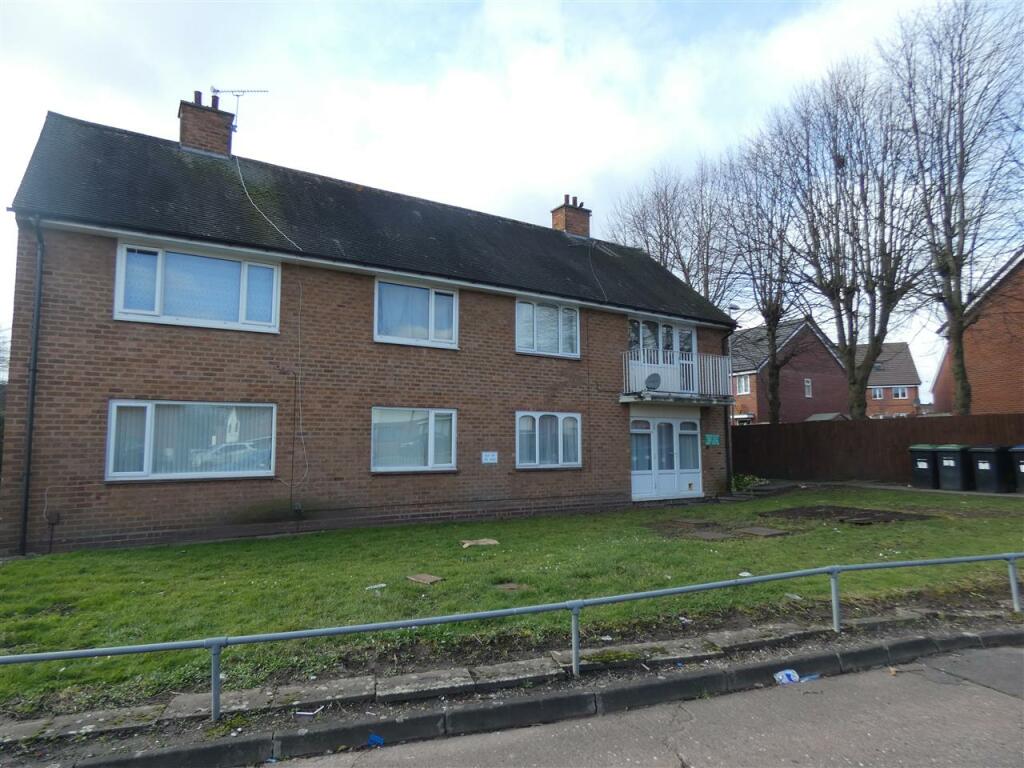
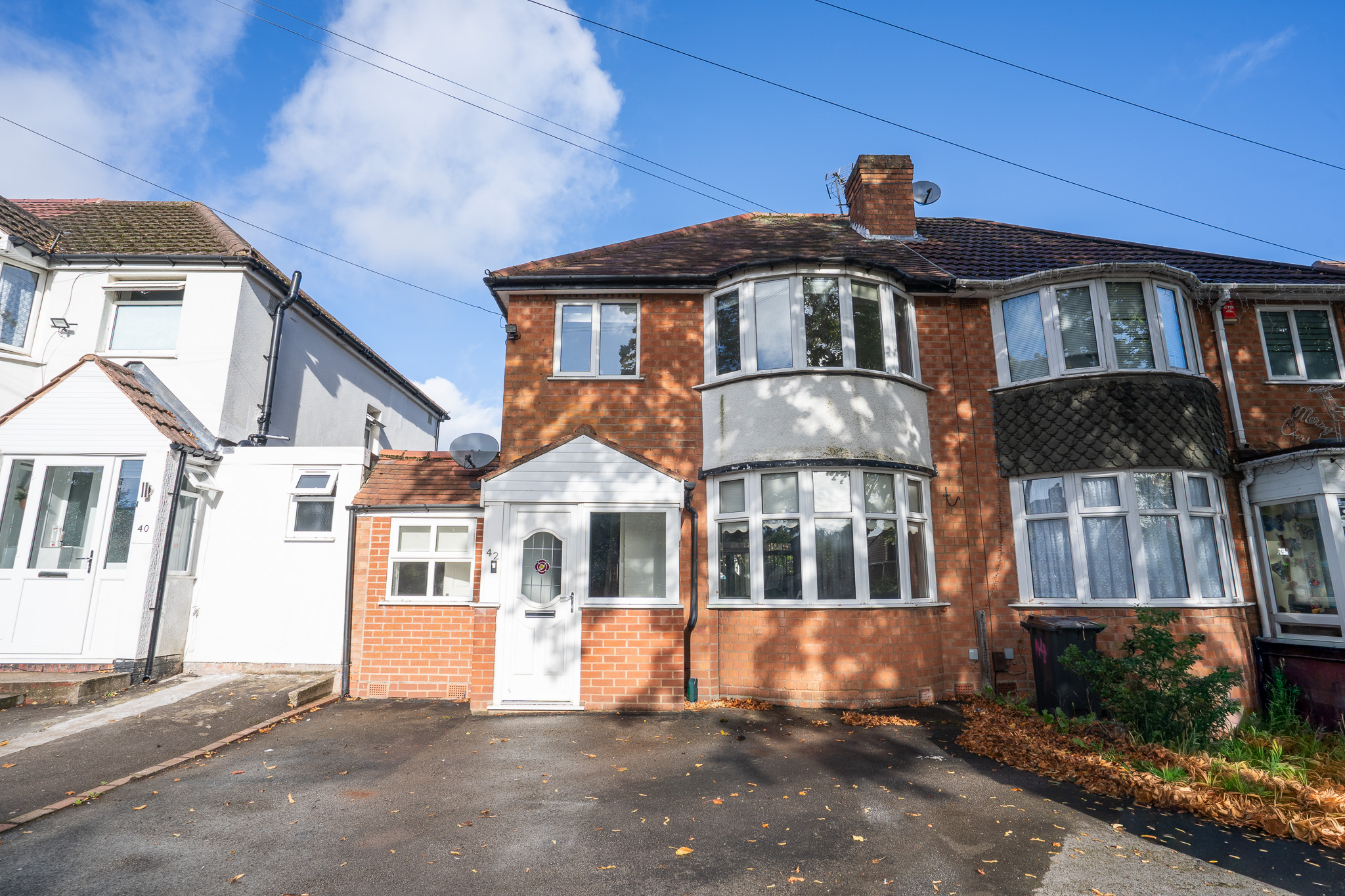
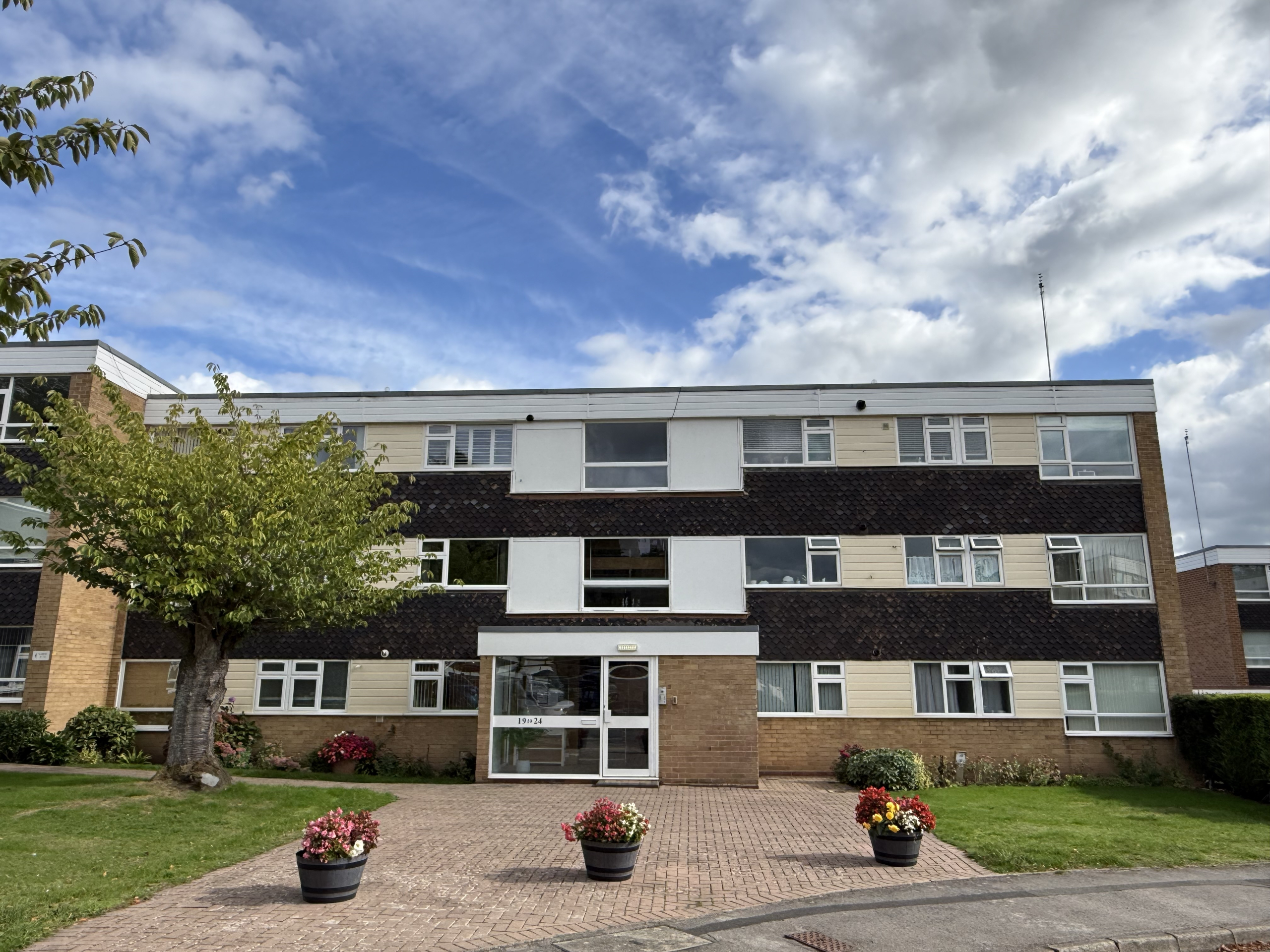
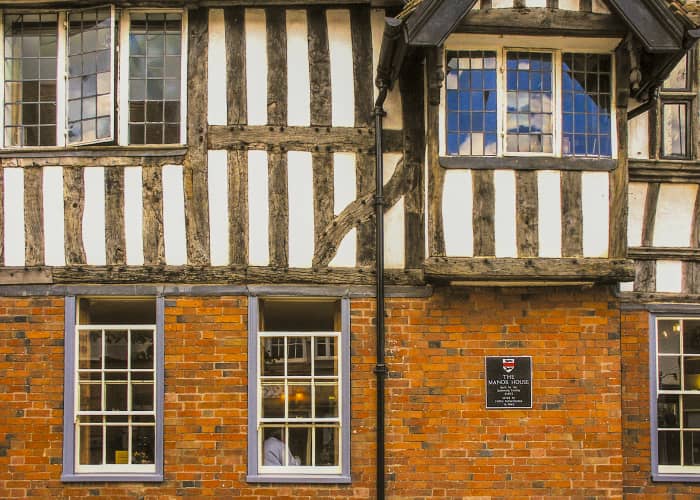
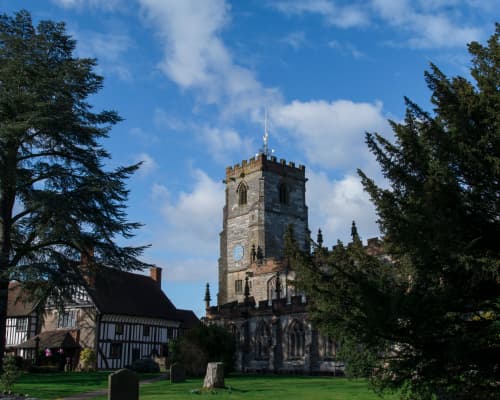
Timber-framed Tudor-style buildings survive in the town centre, notably along the High Street, alongside Victorian terraced housing and a significant supply of post-war semis in areas such as Shirley and Olton. Purpose-built flats are concentrated mainly around the town centre, offering a more accessible entry point to the market.
Key streets: Ashleigh Road, which was featured on Channel 4’s Britain in 100 Homes as an example of Edwardian architecture, remains among the most prestigious addresses in the town. Widney Manor Road and Beechnut Lane similarly attract buyers looking for substantial period homes within comfortable reach of the centre. For family buyers, the areas around Tudor Grange Park and those within catchment for the town’s highest-rated schools are consistently in demand. Find out more about the best streets in Solihull and Solihull property types in our dedicated articles.
Developments: The most significant regeneration project currently underway is the Mell Square redevelopment. Planning approval for the scheme was granted in February 2026, with developer Muse Places Ltd delivering a 10-year programme that will deliver up to 1,600 homes alongside new retail, bars, restaurants and public spaces on the 6.4-hectare site at the heart of the town centre.
Phase one demolition is scheduled to begin in June 2026. Separately, the HS2 Interchange station, under construction within the borough, is expected to drive significant economic and residential demand
in the years ahead, and a Kingshurst village centre redevelopment in North Solihull completed its first phase of 25 sustainable homes in September 2024.
Property prices: According to ONS data, the average house price in Solihull was £328,000 in April 2026. This comfortably exceeds the West Midlands average of £249,000 and the UK average of £270,000 for the same period. First-time buyers paid an average of £262,000, while home-movers paid an average of £398,000.
Rightmove data covering the last year shows an overall average of approximately £402,000 across the town, with detached properties averaging £711,000, semi-detached properties averaging £373,000, and flats averaging £203,000.
Rental market: According to ONS Price Index of Private Rents data, the average monthly private rent in Solihull was £1,258 in April 2026, broadly in line with a year earlier. One-bedroom flats in the town centre typically let for about £843 per month, two-bedroom flats for around £1,047 , and larger family homes towards upwards of 1,800pcm.
Tenant demand is supported by proximity to major employers including Jaguar Land Rover, Birmingham Airport and the NEC, as well as the town’s rail links into Birmingham. Longer-term, Solihull rents have risen from approximately £996 per month in 2016, representing a substantial increase over the past decade.