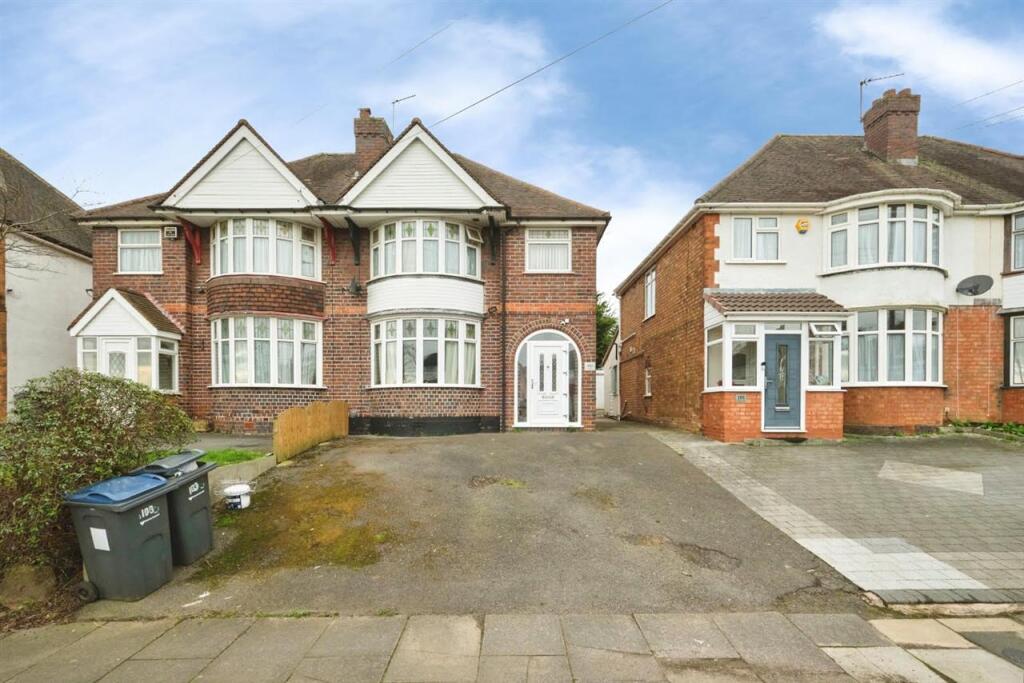
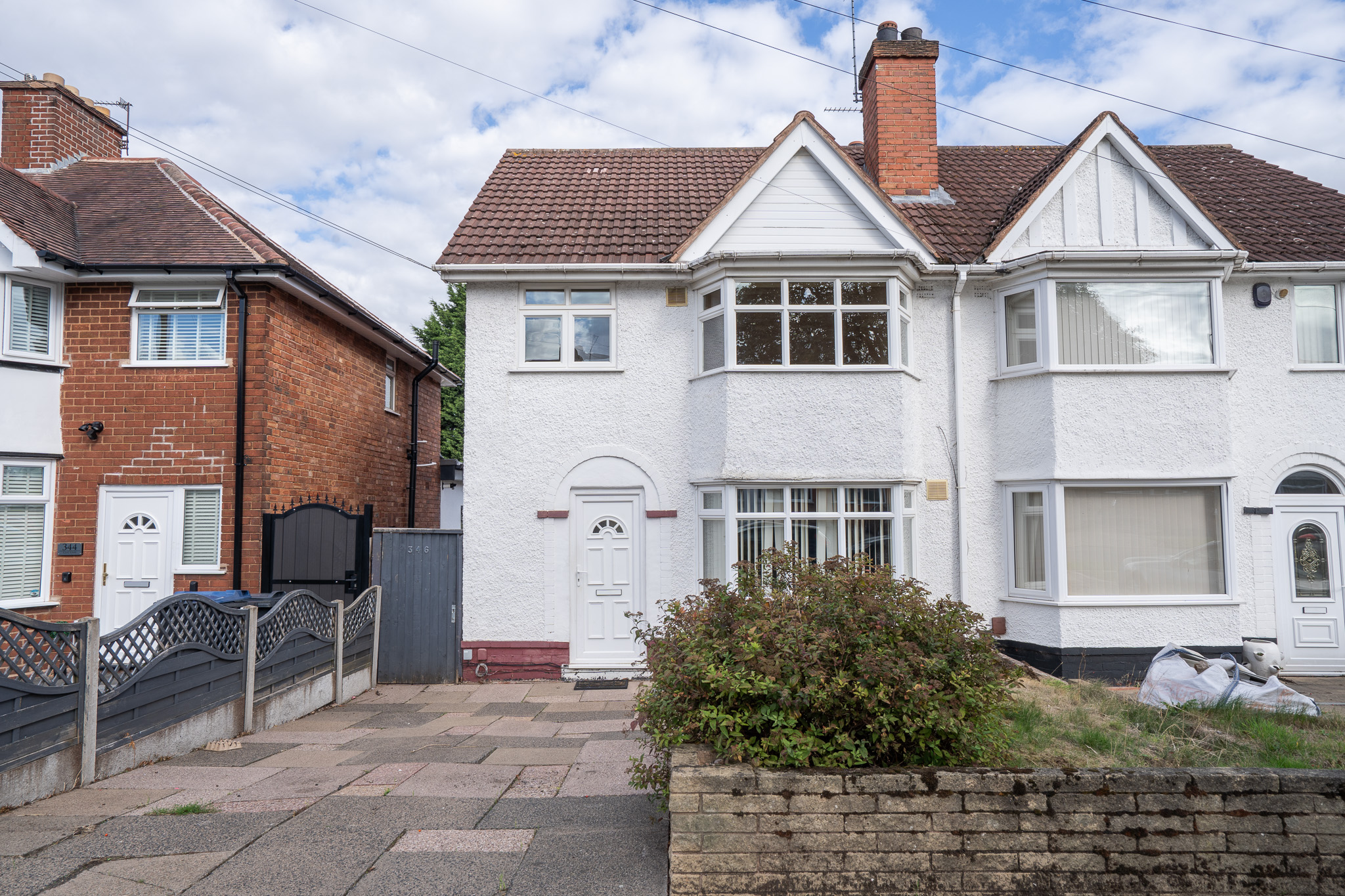
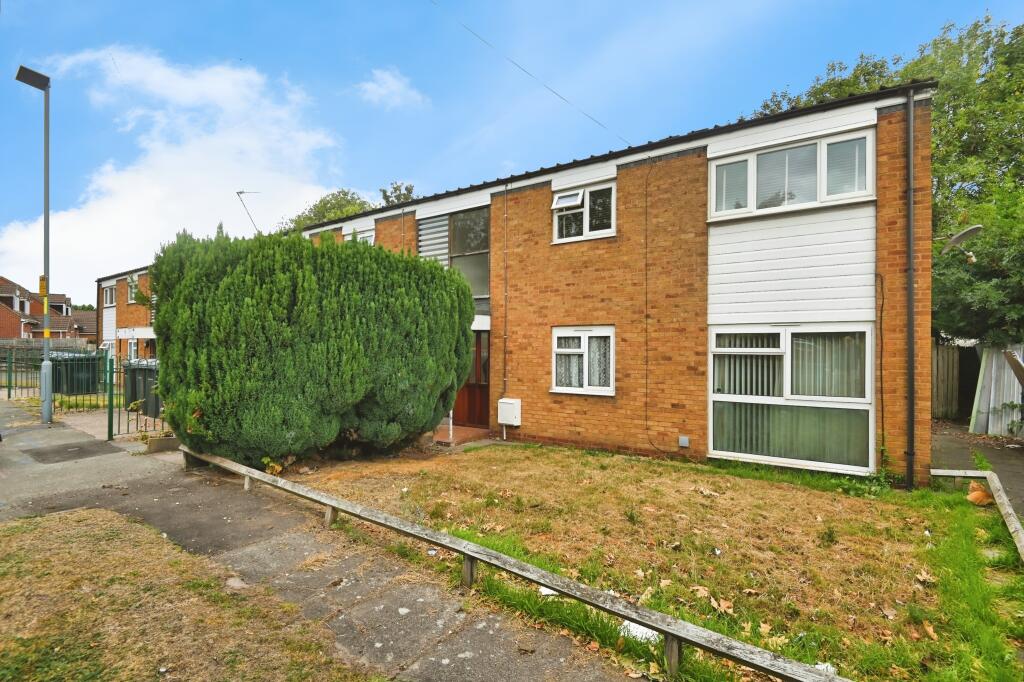
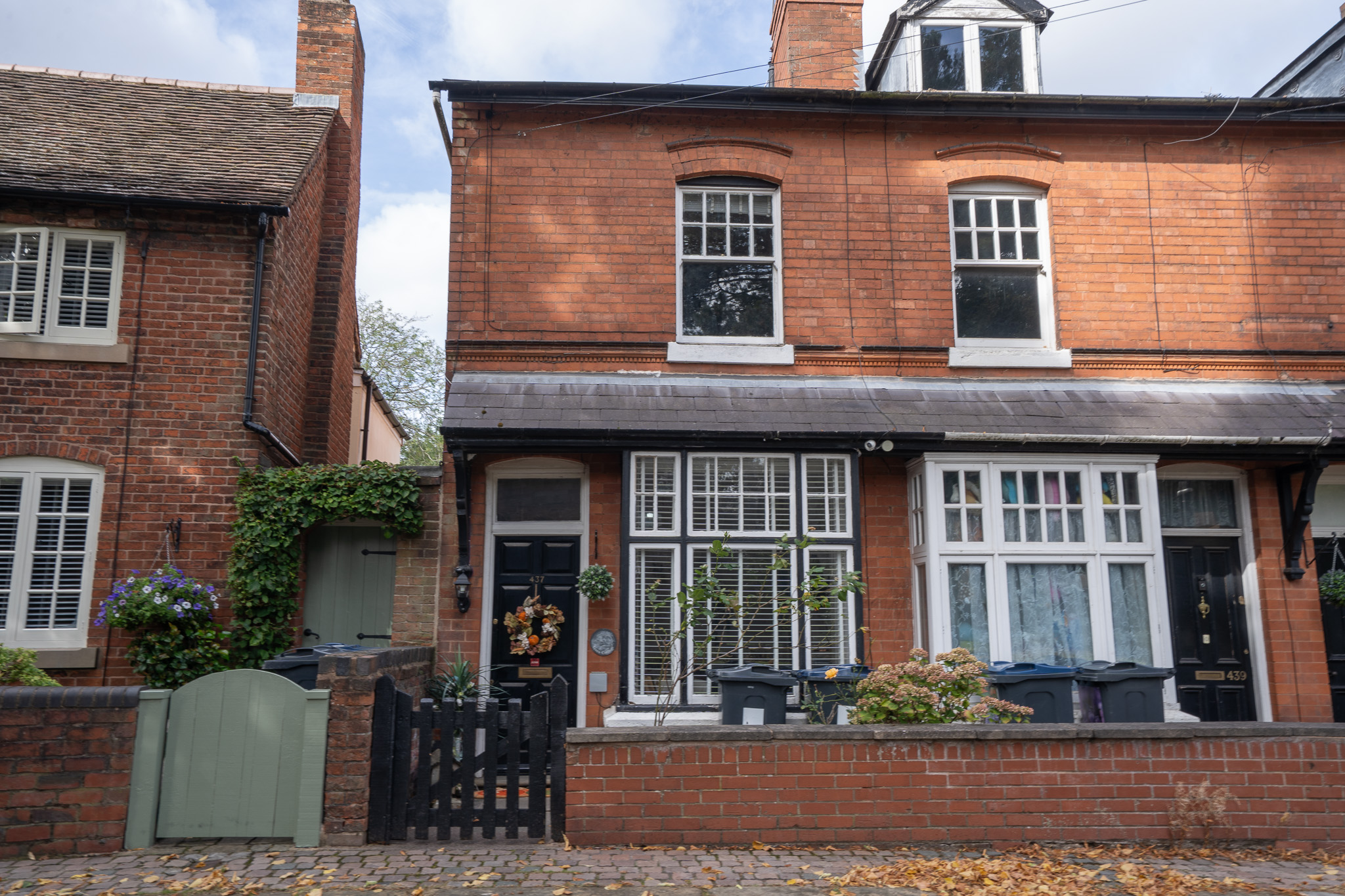
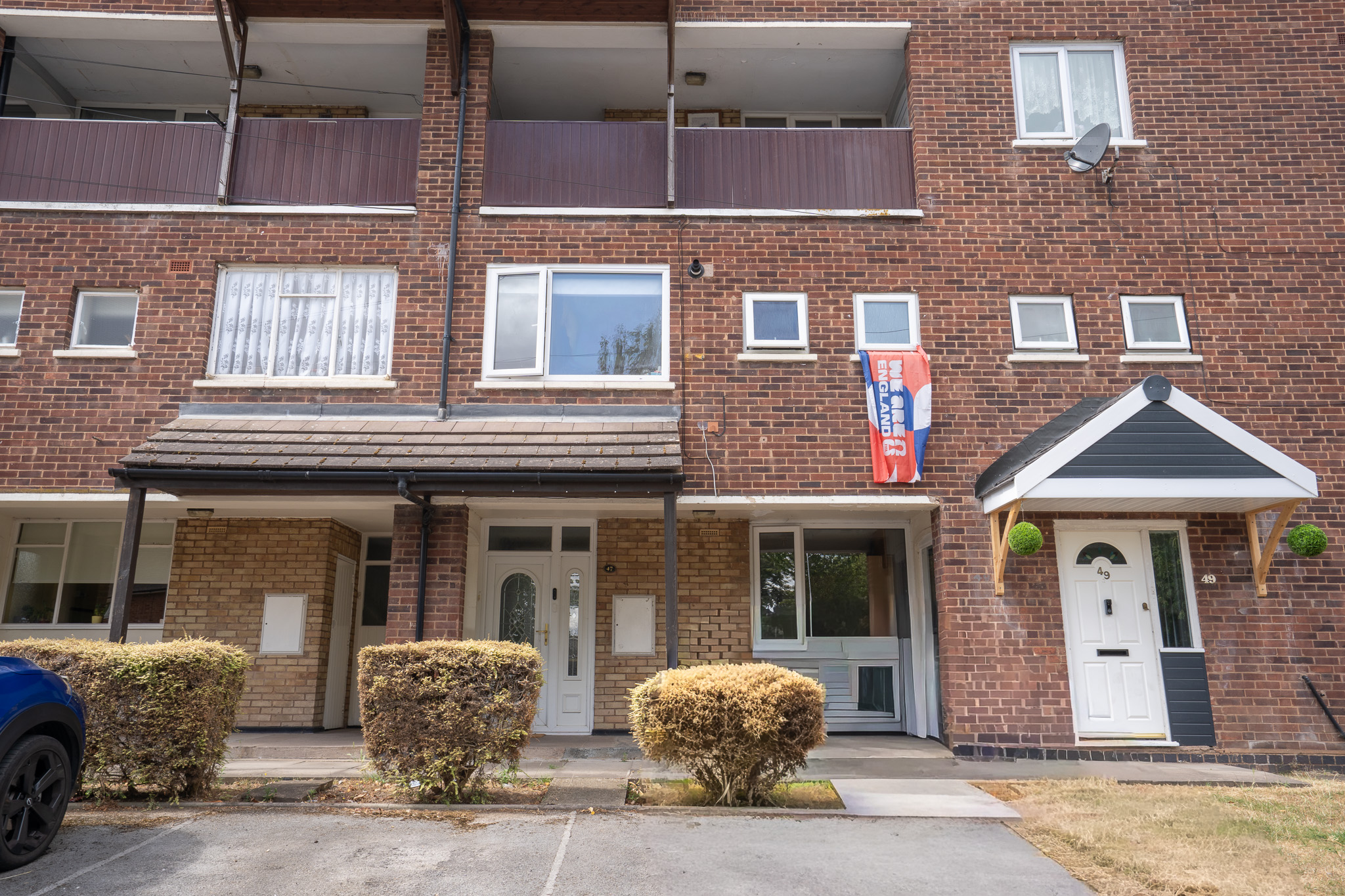
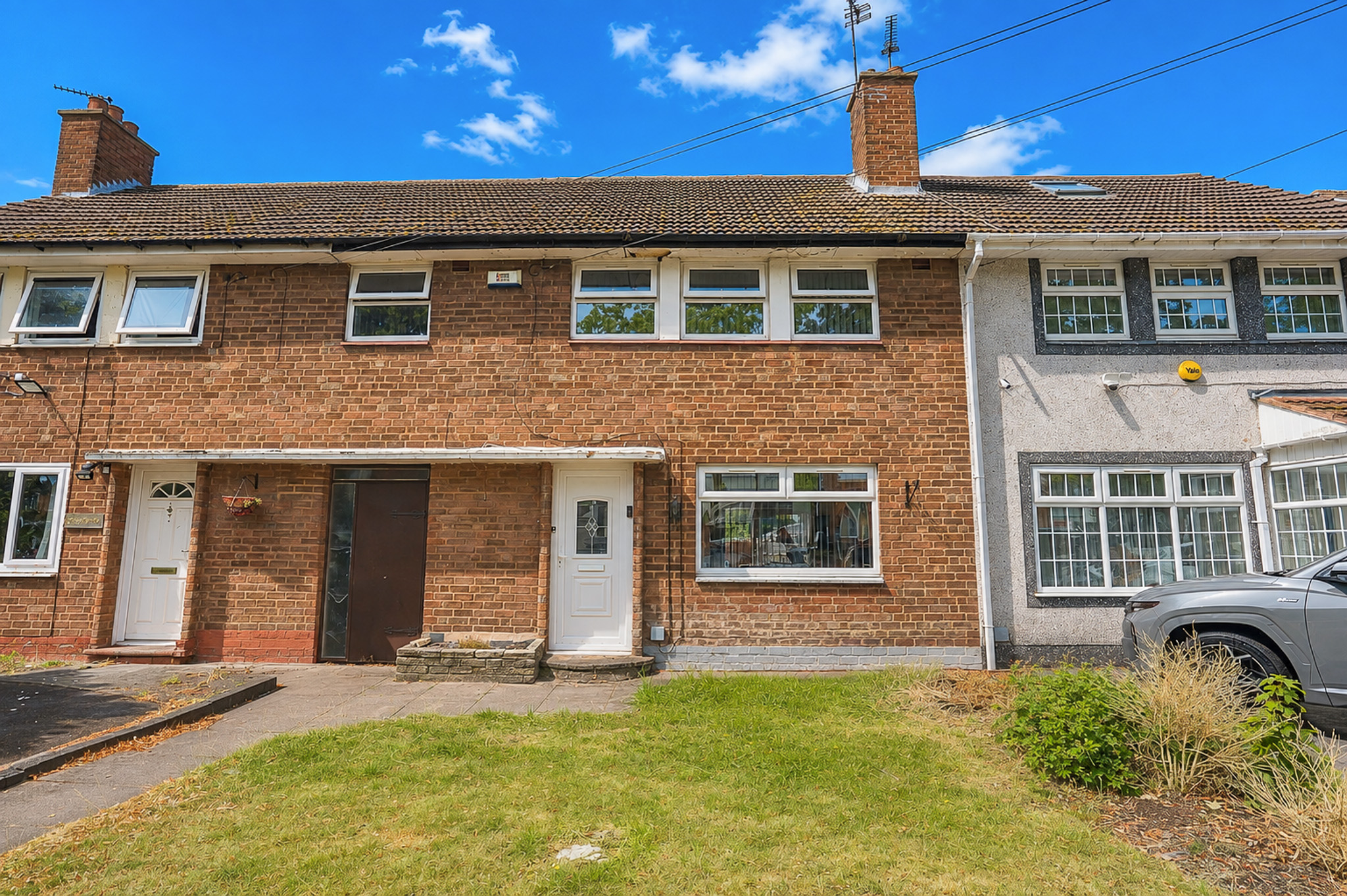
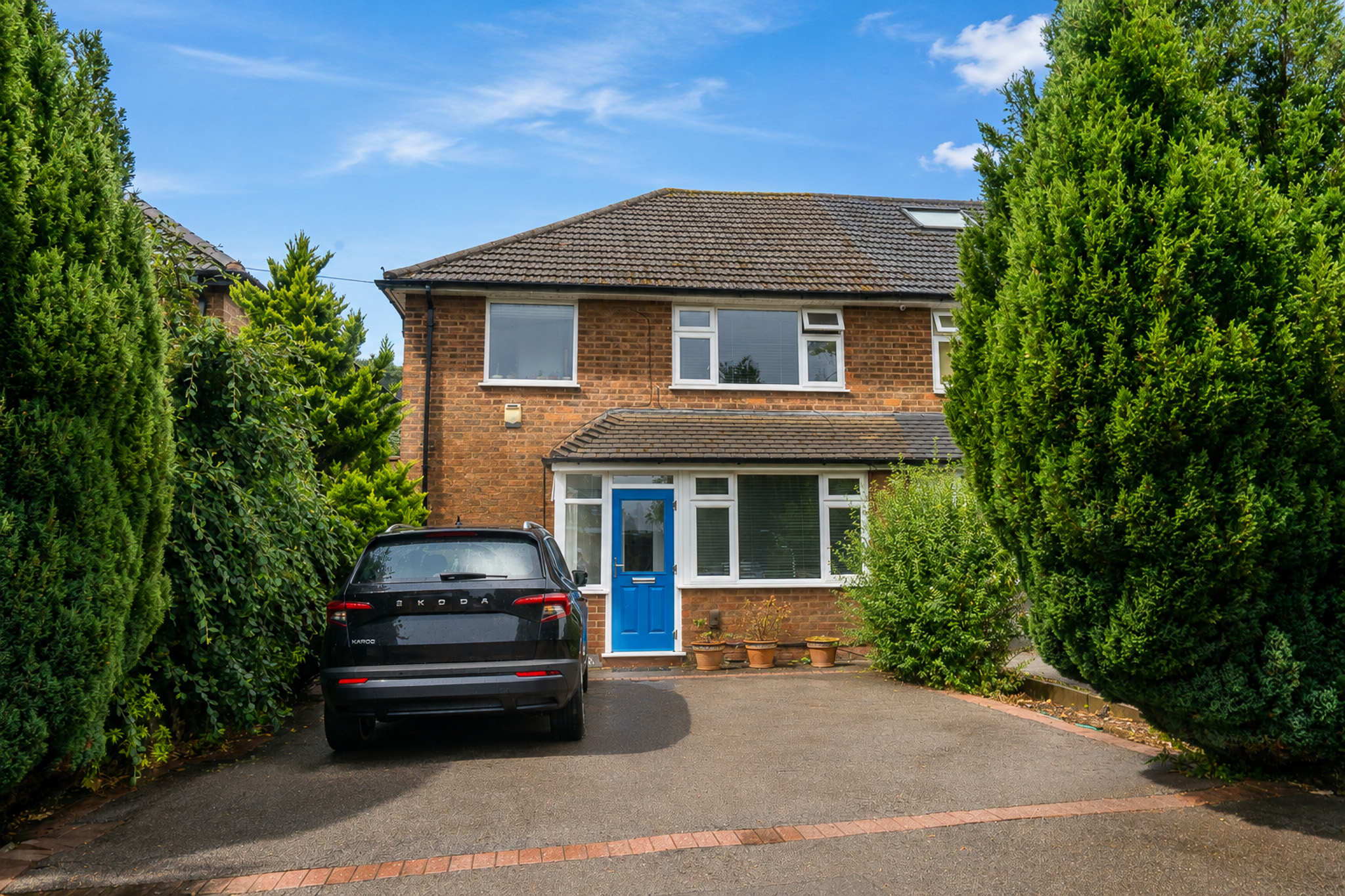
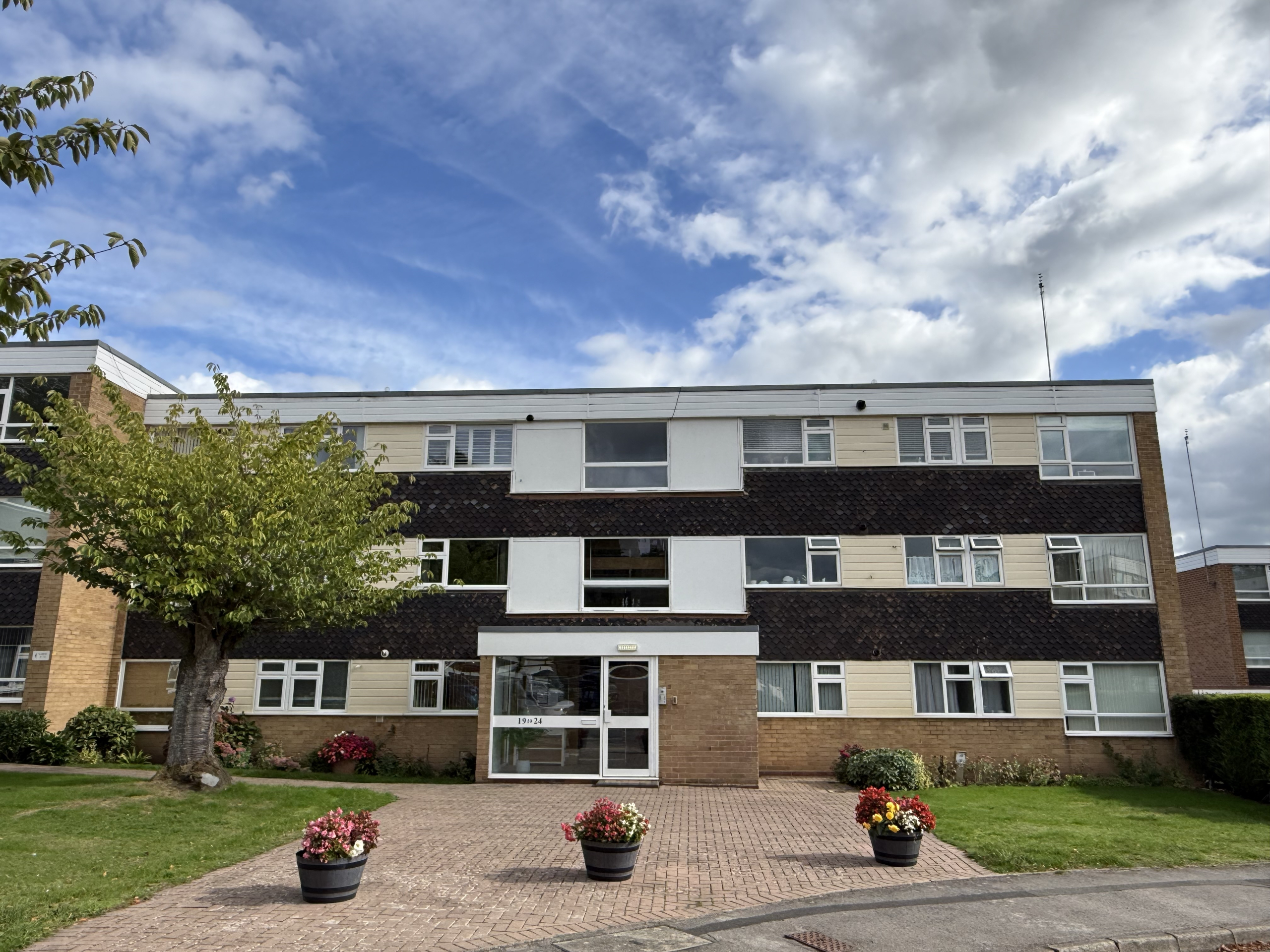
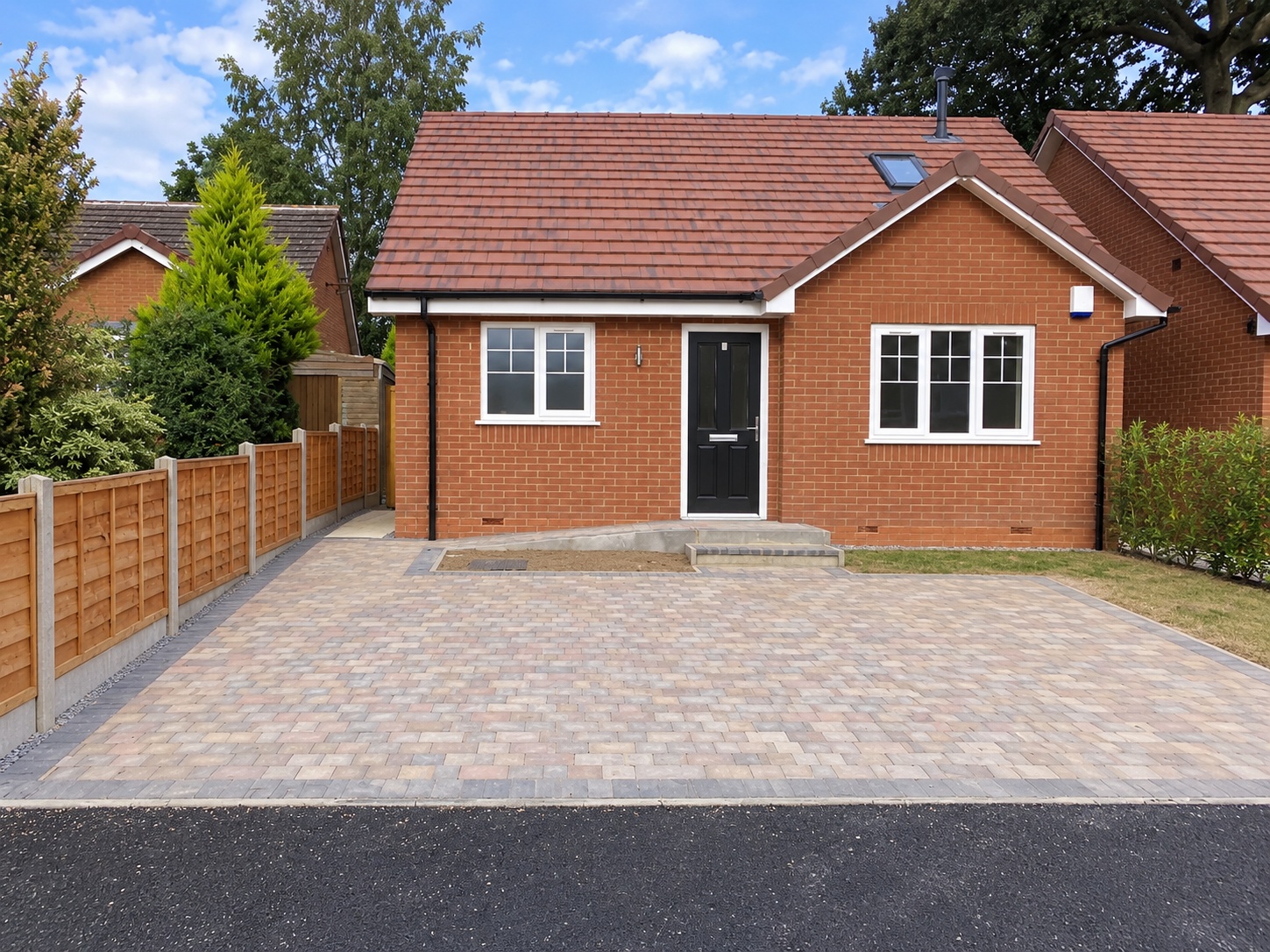
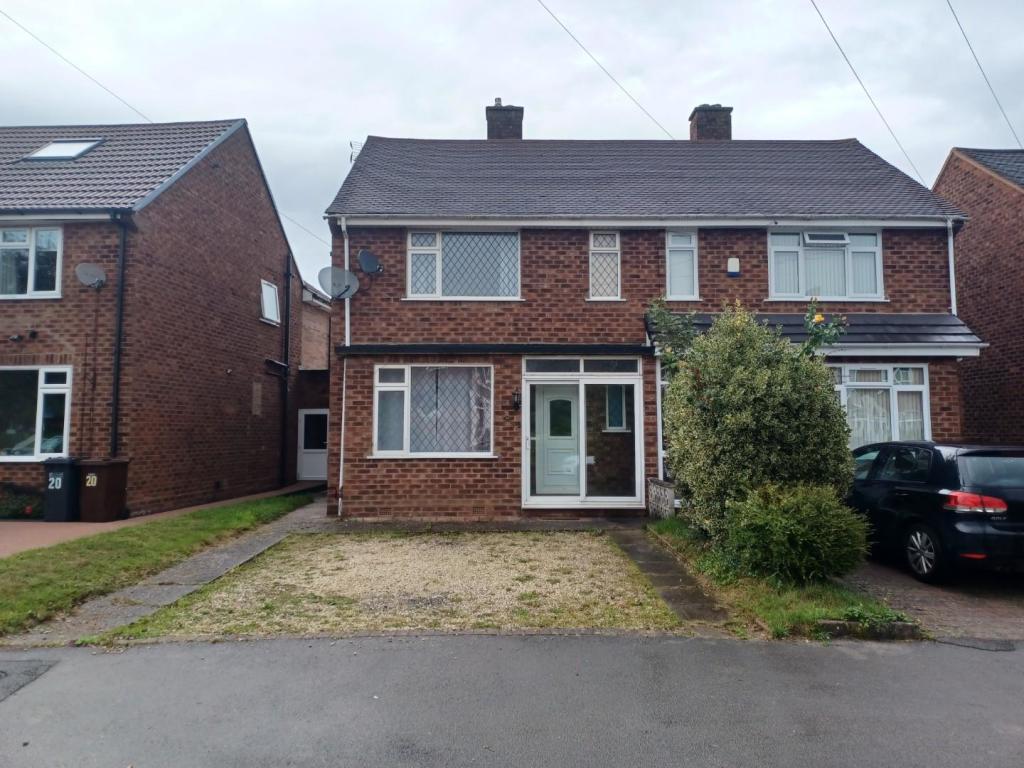
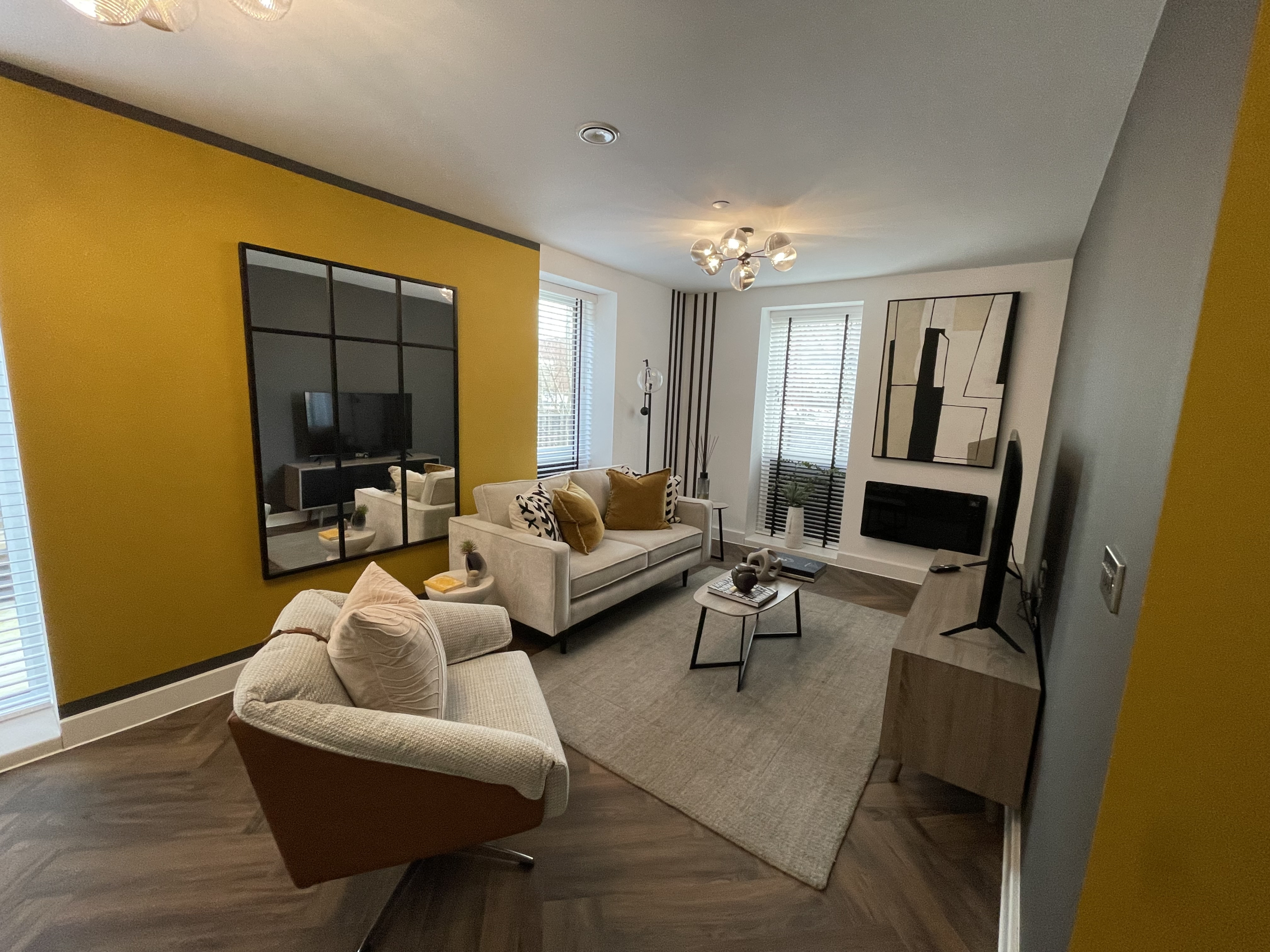
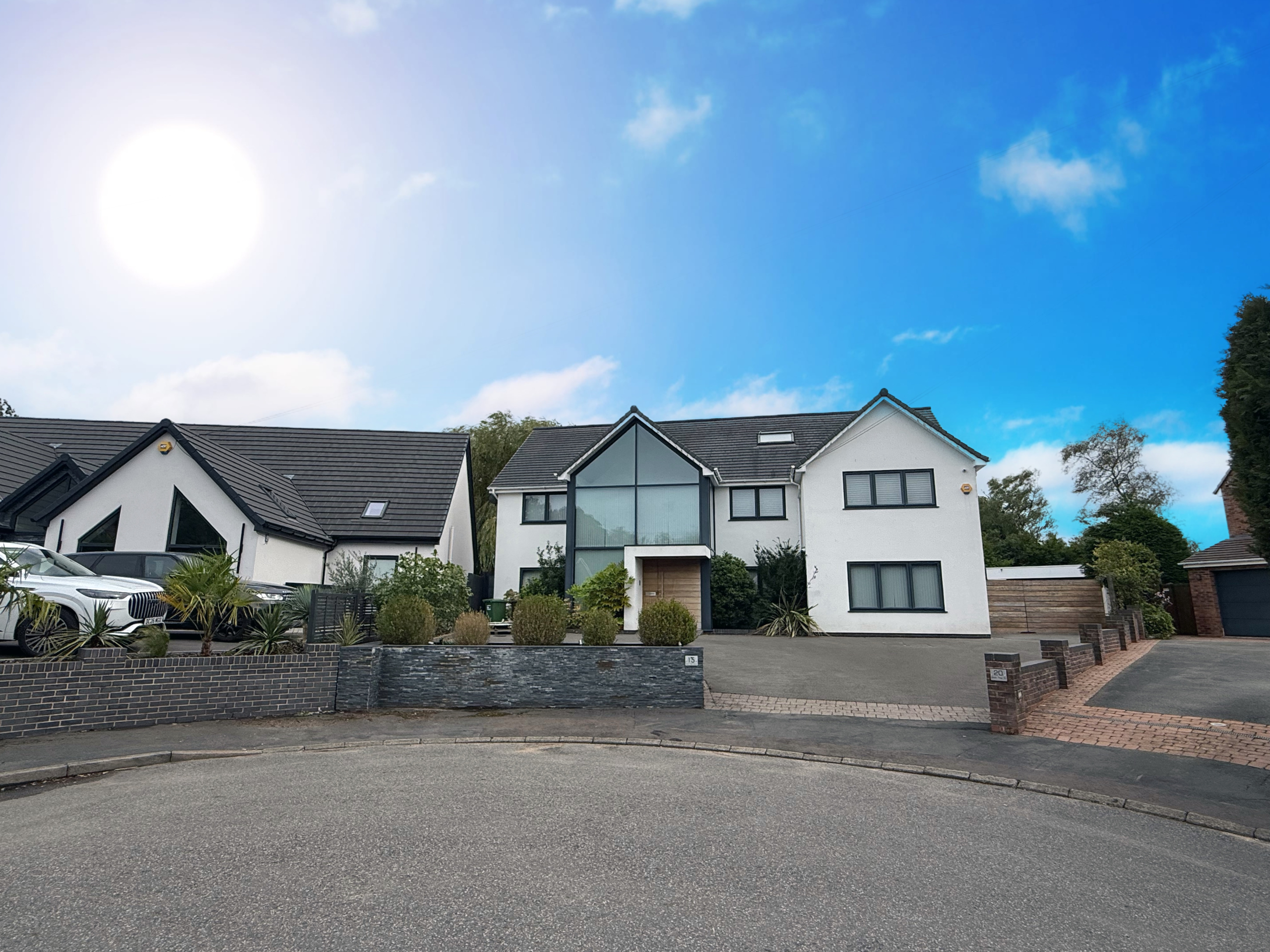
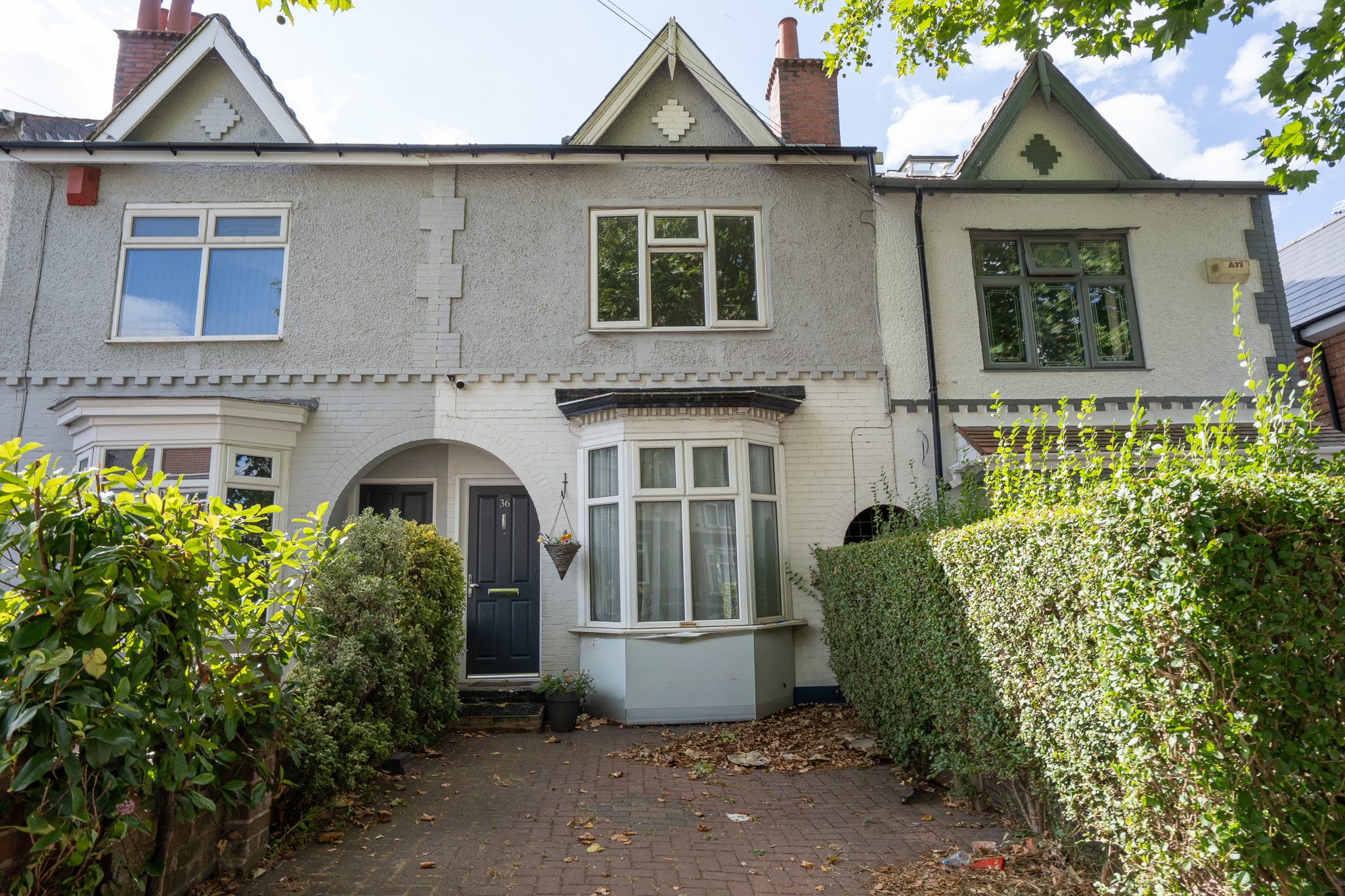
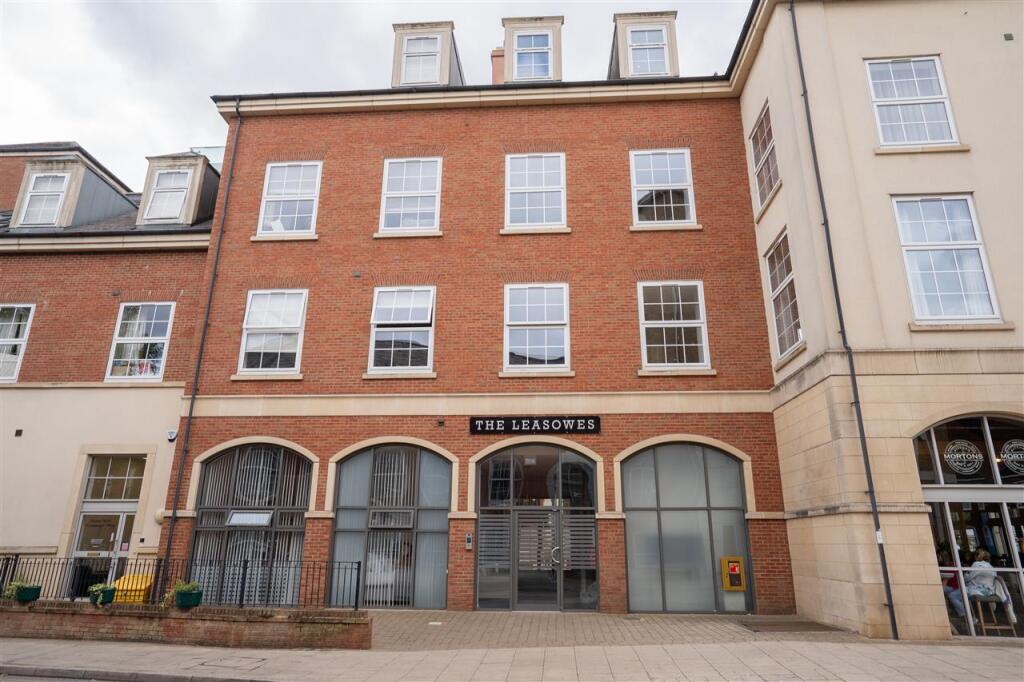
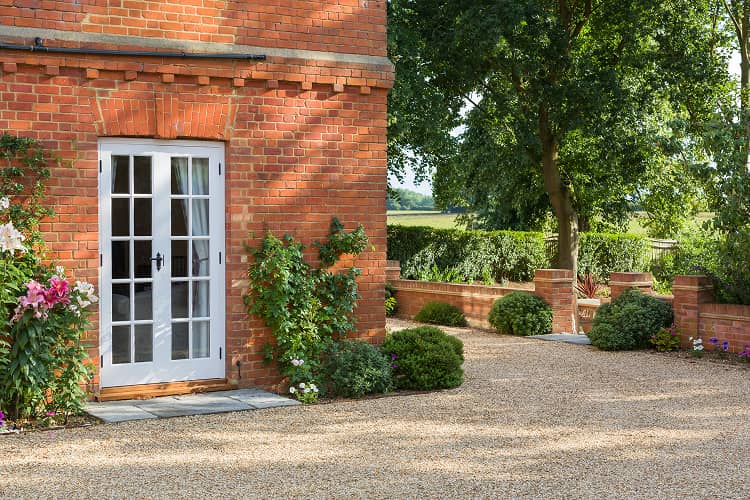
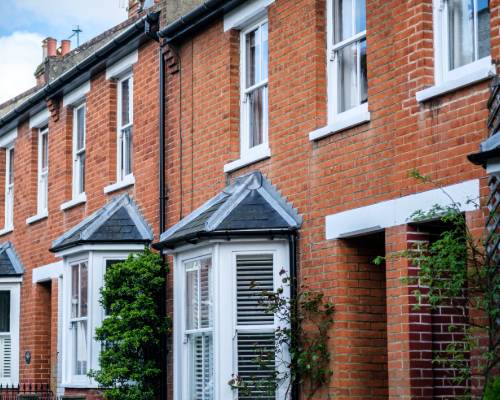
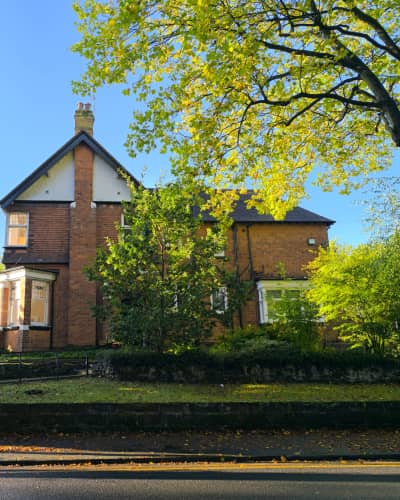
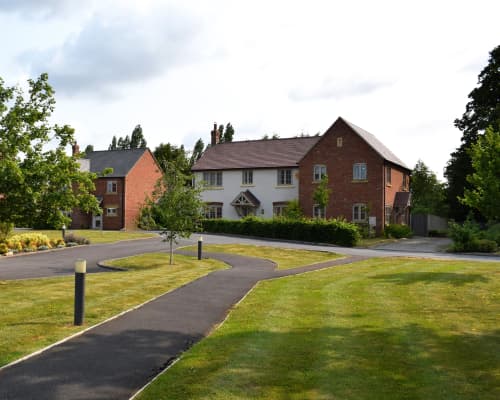
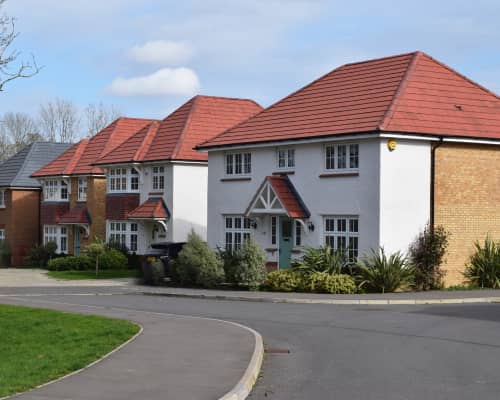
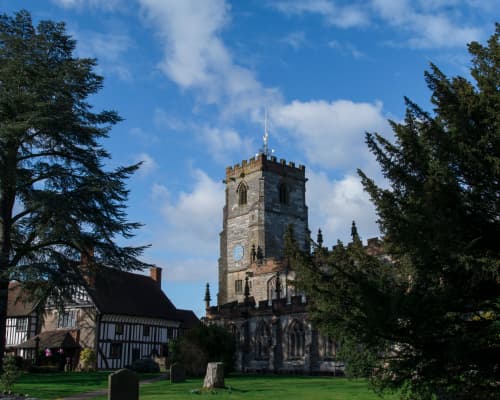
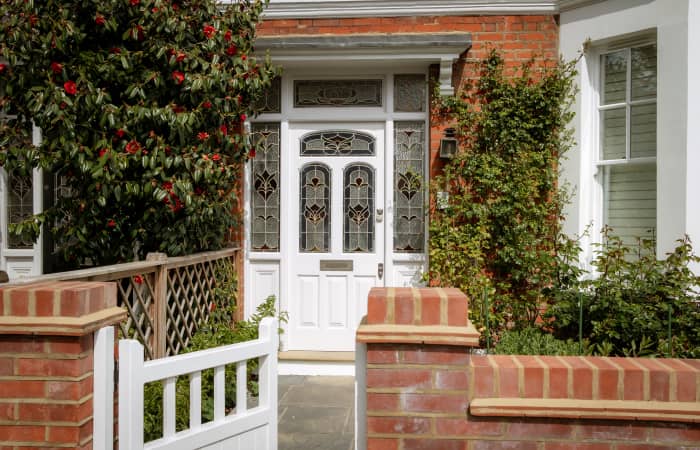
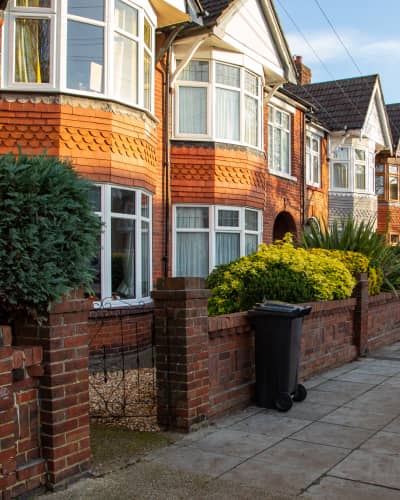
Architecture & Property Types: Dickens Heath’s housing stock is almost entirely post-1997, built to a neo-traditional masterplan that prioritised variety in scale and style. The village centre is characterised by three- and four-storey townhouses with a period-influenced aesthetic, while the surrounding streets offer a broader range of detached and semi-detached homes on more generous plots. Purpose-built apartments are concentrated close to Main Street, and smaller retirement-oriented developments sit within the village.
A small number of older farm buildings and cottages survive on the periphery, including the Grade II listed Whitlocks End Farm and its 17th-century barn, though these are the exception rather than the rule. There are no large-scale Victorian or Edwardian terraces here; the village is defined entirely by its planned, architect-led origins.
Streets to note: Waterside and the streets adjoining the canal tend to attract strong interest from buyers looking for outlook and setting. Properties on or near the village green and along Main Street command a premium for their position within the original masterplan core. Hutchings Lane and Tythe Barn Lane offer slightly larger plots on the eastern edges of the village, close to open countryside.
Developments: The Wharf Farm development on the edge of Dickens Heath, delivered by Greenvilla Homes, represents one of the most recent additions to the village’s housing stock — a gated collection of eight new detached homes and a farmhouse conversion on agricultural land at the village boundary.
Greenvilla won Best Contemporary Family Home Builder in 2023. Separately, Solihull’s Local Plan Review has proposed significant green belt allocations in the Blythe Ward area, including sites to the north and south of Tythe Barn Lane and at Whitlocks End Farm. These proposals remain subject to ongoing planning scrutiny and local objection.
Property prices: According to Rightmove, the overall average sold price in Dickens Heath over the last year was approximately £274k. Flats sold for an average of around £182k, semi-detached properties for around £334k, and detached homes for considerably more. The ONS records the average house price across Solihull at £328,000 as of February 2026, providing useful borough-level context. The village’s relatively limited and controlled housing supply has broadly underpinned values over time, with detached stock in particular remaining keenly sought.
Rental market: The ONS Price Index of Private Rents records the average monthly private rent in Solihull at £1,258, broadly stable year-on-year. Rental demand in Dickens Heath is supported by its proximity to Birmingham, strong transport links and the quality of the village’s housing stock, making it a reliable location for landlords seeking long-term tenants.