Want To Let Or
Sell Your Property?
Then get started with a FREE, accurate valuation today.


If you’re planning a move to Shirley, look beyond the hustle and bustle of Stratford Road and you’ll find post-war homes, that soon give way to an impressively varied menu of property styles. Generous semis with original bay windows, older Victorian and Edwardian terraced housing that predate Shirley’s absorption into Solihull… This is your sign to find out what property types are out there on the Shirley market.

Shirley sits in the southern reaches of the Solihull metropolitan borough, and grew throughout the early 20th Century before post-war and 1960s development filled in the remaining open land. Today, those detached and semi-detached houses and later additions have kept up their image as an owner-occupied, family-oriented housing market.
Flats make up a smaller part of the picture than in neighbouring Solihull town centre or in Birmingham’s inner suburbs. For buyers seeking a conventional suburban house with a garden, Shirley’s range of period and styles that might surprise you.
Shirley’s housing market is the result of a century of residential development, from the oldest late Victorian terraces to contemporary apartment schemes near the town centre. The table below gives an overview of the main types you’re likely to find on your property search.
| Property Type | Typical Period | Typical Tenure | Approximate Price Range |
|---|---|---|---|
| Victorian terraced house | 1880s-1900s | Freehold | £200,000–£320,000 |
| Edwardian semi-detached | 1900s-1915 | Freehold | £270,000-£380,000 |
| Inter-war semi-detached | 1920s-1939 | Freehold | £280,000-£420,000 |
| Inter-war detached | 1920s-1939 | Freehold | £380,000-£550,000 |
| Post-war and 1960s and 70s housing | 1945-1979 | Freehold | £230,000-£380,000 |
| Purpose-built flats | 1970s-present | Leasehold | £130,000-£220,000 |
| New build houses and apartments | 2000s-present | Freehold / Leasehold | £225,000-£500,000 |
These prices are based on recent Rightmove and Zoopla figures, yet house prices change constantly and averages don’t account for nuances. Speak to a local agent for current details of properties in Shirley. We at Partridge Homes will be glad to advise.
The oldest residential streets in Shirley date from the late Victorian and Edwardian periods, built close to the historic village centre and its approach roads. Back when these properties were built, Shirley was still separated from Birmingham’s reach. Buyers drawn to this period will find two-up two-down terraces and slightly larger bay-fronted semis, many of which have been extended to the rear or into the loft over the decades. While smaller than the inter-war homes that followed,
You can’t miss the 1920s and 1930s developments that rose to meet the need for homes in Shirley. These are often spacious 4-bedroom spacious homes on generous plots, sitting on wide, tree-lined avenues, and it all adds up to a relaxed atmosphere that’s ideal for a residential area. Not only that, but Shirley’s early 20th Century homes can be full of charming details. Seek out original features such as bay windows, pebble-dash and decorative timber gable details – there are some fabulous examples out there.
A significant proportion of Shirley’s housing was built in the two decades following the Second World War and on into the 1970s. This stock is more variable in quality and character than the inter-war period, ranging from well-built local authority-influenced semi-detached houses, to system-built or prefabricated designs that can present specific survey considerations (more on those below). These properties tend to offer practical layouts, good room sizes, and are often priced at a lower entry point than comparable inter-war stock. Their affordability and space have made them a common choice for first-time buyers and investors.
Purpose-built flat blocks can be found throughout Shirley, from older 1970s low-rise blocks to more recent apartment schemes developed around the town centre. Most are leasehold, so buyers must check the lease terms and length, and confirm service charge levels and the condition of communal areas before proceeding.
New development has been concentrated around the Parkgate scheme, but you will find groups of new build homes on former commercial or brownfield land. These properties are typically freehold for houses and leasehold for apartments. While the area’s period homes may be more famous, new builds usually offer better energy efficiency ratings and can be lower-maintenance.
Shirley does not sit within a designated conservation area in the way that parts of Solihull town centre or the older villages of the borough do. Buyers seeking the additional planning protections and preserved streetscapes that conservation status brings will find more of that in neighbouring areas such as Solihull town centre or the historic villages to the south of the borough.
There are no Grade I or Grade II* listed buildings among the Shirley residential streets, though the area has plenty of history. English Heritage and Solihull Council can offer all the details you need to confirm whether any Article 4 directions or local planning conditions apply to a property. If you’re purely curious, Solihull Town Centre Heritage Trail can introduce you to local landmarks like St Augustine’s Catholic Church and the site of Southend, once home to the author of “Country Diary of an Edwardian Lady”.
You can find carefully preserved Victorian homes from Shirley’s days of railway expansion. Yet others show signs of DIY modification, and buyers should treat any older property in Shirley as requiring a thorough structural survey rather than a standard homebuyer report.
The inter-war semis in Shirley often come with loft conversions, single-storey rear extensions, and side-return additions. Where original features have been retained, they can add value to the home. However, take care to have an in-depth survey as these additions can vary in quality, and may need maintenance.
Buyers of 1960s and 1970s properties should ask specifically about construction method before instructing a survey. Some of Shirley’s homes were built with non-traditional construction methods, which can affect mortgage availability and insurability. For instance, prefabs were a big part of the area’s history.
Completed in 2015, the Parkgate scheme formed the centrepiece of the ‘New Heart for Shirley’ regeneration programme. The £85 million mixed-use development brought retail, dining, and leisure facilities to the town centre, with several residential units included in the plans.
Since 2023, development activity in Shirley has reflected wider pressures on the housing supply across Solihull borough. As reported in The Planner, Solihull Council’s 2025 reclassification of nearby rural settlements as towns was partly aimed at managing grey belt development pressure and protecting green belt land bordering Shirley to the south and east. If you’re considering buying in Shirley, check Solihull Council planning portal to find out if developments are planned near the property.
Shirley residents can easily find green space, with many houses offering large gardens set out in the 1920s and 1930s. Putting aside gardening for convenience, many also feature side returns which have been used for single-storey extensions or covered parking. Front gardens vary considerably though, with some streets retain their original soft landscaping, while others have seen widespread hard-standing conversion to create off-street parking. It’s a juggling act in terms of leafy streets and practical parking solutions, but options are available whatever your preference.
Post-war housing is more variable, with some estates offering generous plots and others more modest rear yards. Victorian and Edwardian terraced houses tend to have smaller rear gardens, little or no front garden, and rely on on-street parking. As you may expect purpose-built blocks of flats may offer communal grounds but private space is rare. If your prospective building does have grounds, find out how much the maintenance charges are as they can vary considerably.
However, everyone is welcome in Shirley Park and the many nature reserves, parks and lakes around Solihull. Here, you can find everything from playgrounds to wildflower meadows.
Shirley’s housing stock spans over a century of construction, and the survey considerations vary considerably by period. Beyond the original home, you find many with alterations, and as expected, the quality can vary. Before instructing a survey, confirm the construction method and approximate build date of any property you’re purchasing, to help you secure the most suitable level of inspection.
A RICS Level 2 homebuyer report is the minimum appropriate survey for a well-maintained inter-war or post-war property in Shirley. For Victorian or Edwardian homes, and any property showing signs of modification or structural change, a RICS Level 3 Building Survey is strongly advisable. Find out more on the RICS website.
Shirley has a wide range of housing types, though the dominant stock is inter-war semi-detached and detached houses from the 1920s and 1930s. Victorian and Edwardian terraces and semis are present in smaller numbers, alongside post-war and 1960s–70s housing, purpose-built flats, and a growing proportion of new build properties near the town centre. Detached and semi-detached houses make up the clear majority of the market.
Shirley does not have its own designated conservation area covering its main residential streets. Buyers seeking the planning protections and preserved character that conservation status brings should look at neighbouring parts of the Solihull borough, some of which do have designated areas. Individual listed buildings may exist within the broader Shirley area, and buyers should check the Historic England register for any specific address.
Houses in Shirley are predominantly freehold. Leasehold tenure is most commonly associated with purpose-built flats and some new build apartment schemes. Buyers of any leasehold property should check the remaining lease length, annual ground rent, and service charge levels carefully before proceeding, as these can significantly affect both affordability and future resale value.
Inter-war semis in Shirley are generally well-built, but decades of modification mean the condition of any individual property varies considerably. Key things to check include the state of the original cavity brickwork, whether cavity wall insulation has been installed and how it’s performing, the condition of chimney stacks, the age of the electrical installation, and whether any extensions or loft conversions were built with appropriate consent and to a satisfactory standard. A RICS Level 2 survey is the minimum, and a Level 3 Building Survey is worth considering if the property shows signs of alteration.
Shirley attracts consistent rental demand, supported by its position within the Solihull borough and its access to employment in both Birmingham and Solihull. Inter-war and post-war houses let well to families, while purpose-built flats and smaller houses appeal to professional tenants and couples. Landlords should factor in the age of the stock when budgeting for maintenance and ensure any investment property meets current EPC requirements, as minimum energy efficiency standards for rental properties are subject to ongoing regulatory change.
Shirley’s mix of inter-war semis, period terraces, and newer town-centre apartments means there’s something for all budgets, but finding just the right property takes local knowledge. If you’re beginning your search, register as a buyer with Partridge Homes to be notified of properties that match your requirements. Alternatively, if you have questions about a property or the local market, contact us and we’ll be glad to help.
Then get started with a FREE, accurate valuation today.
Then fill out the form & we’ll be in touch shortly


Shirley, Solihull rarely makes headlines - but that's precisely why savvy buyers keep choosing it. Sitting within one of the...
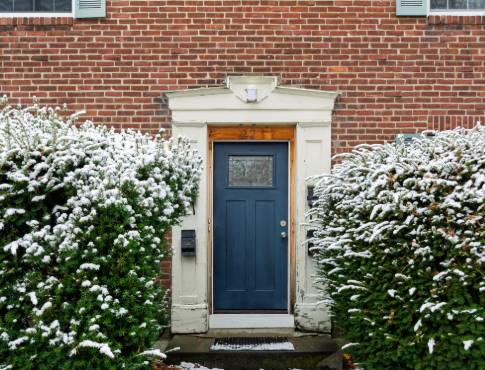
In Shirley, Solihull, two streets a two-minute walk from each other can differ by £80,000 or more in average sold...

# Free Tickets to Disco Classical at Tudor Grange Park — Courtesy of Partridge Homes Imagine a 50-piece orchestra thundering...





"*" indicates required fields
"*" indicates required fields