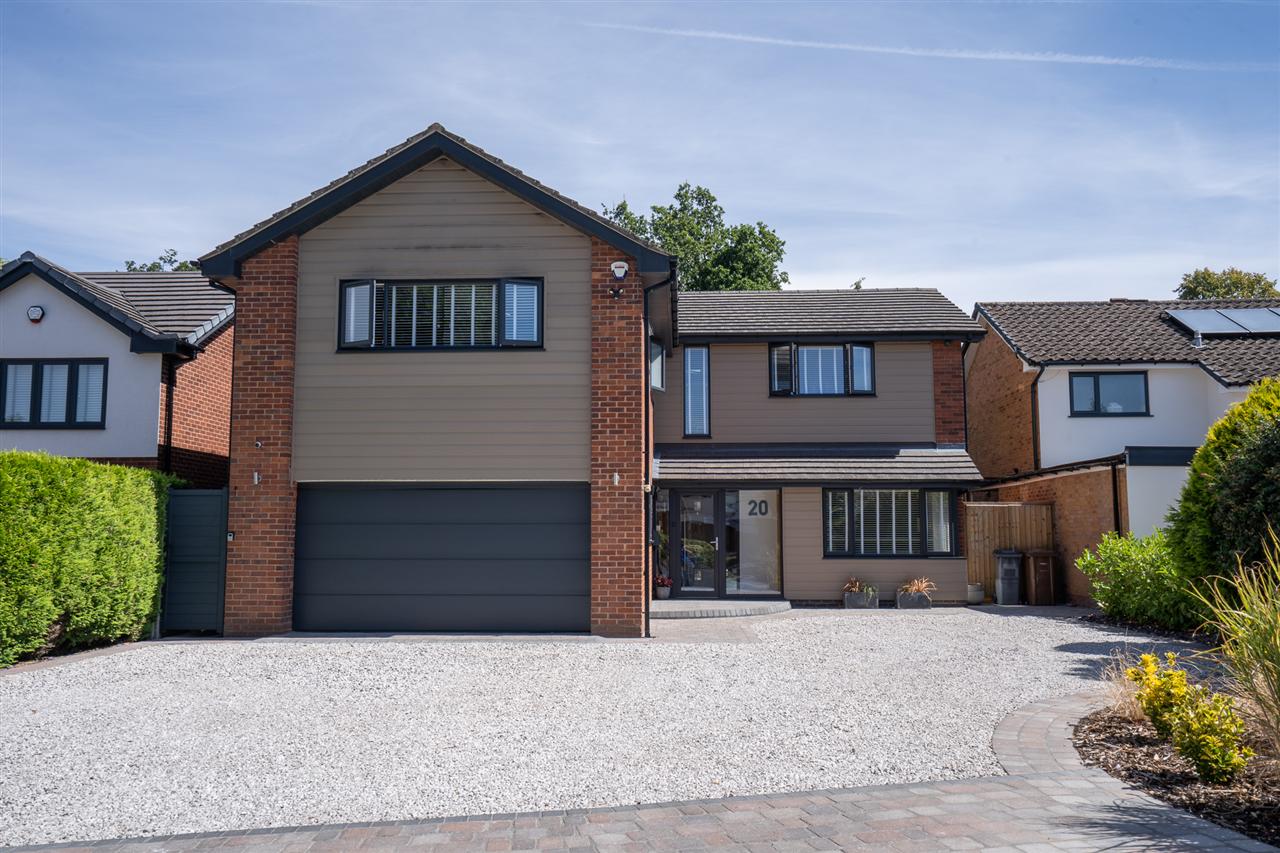
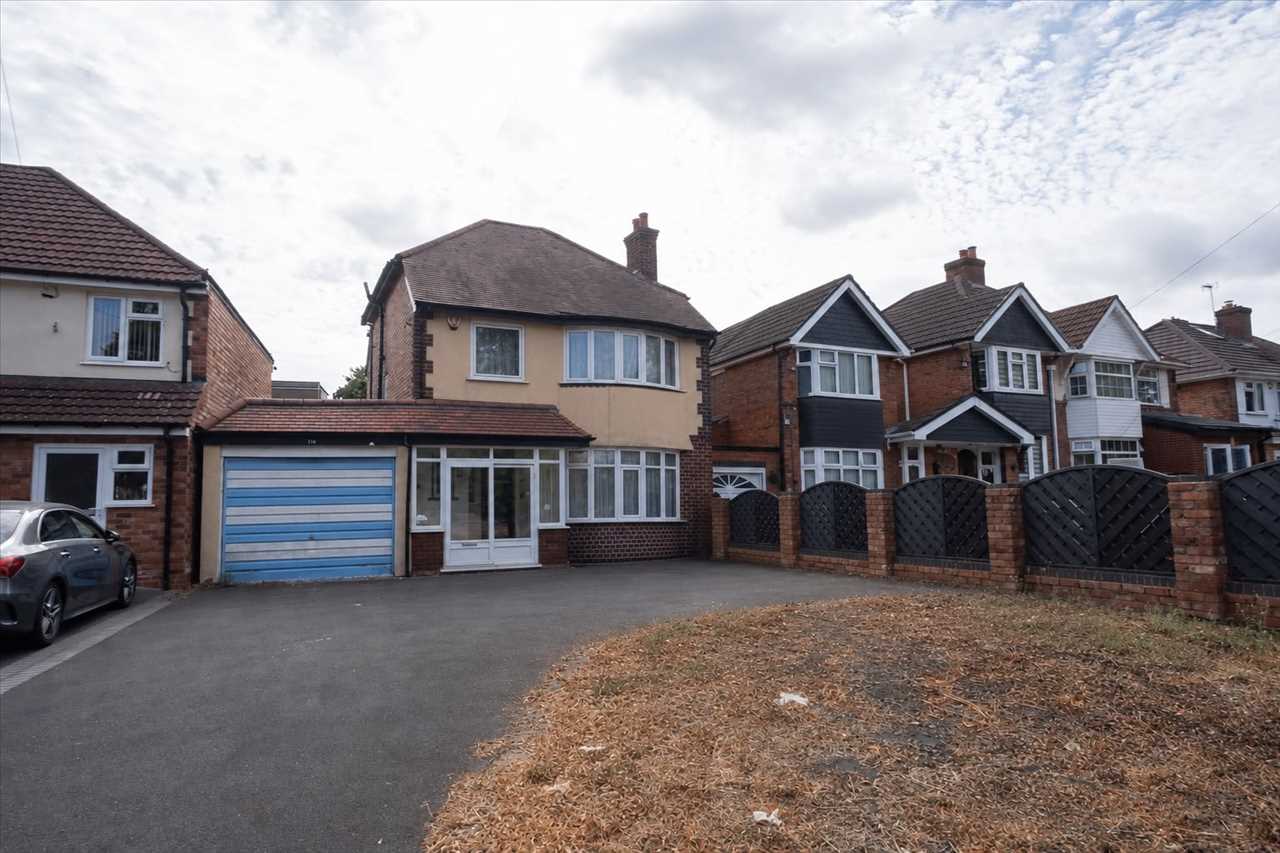
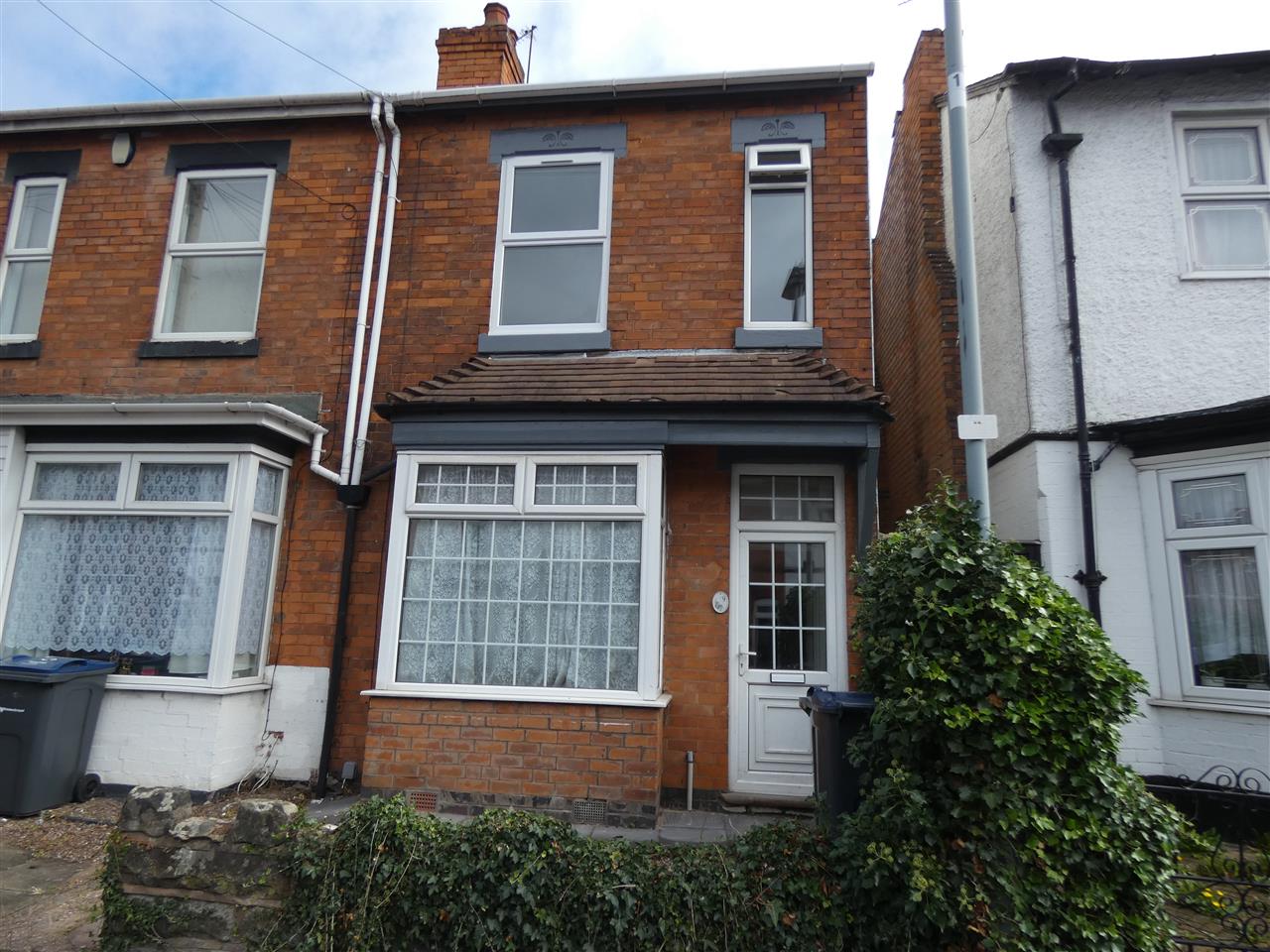
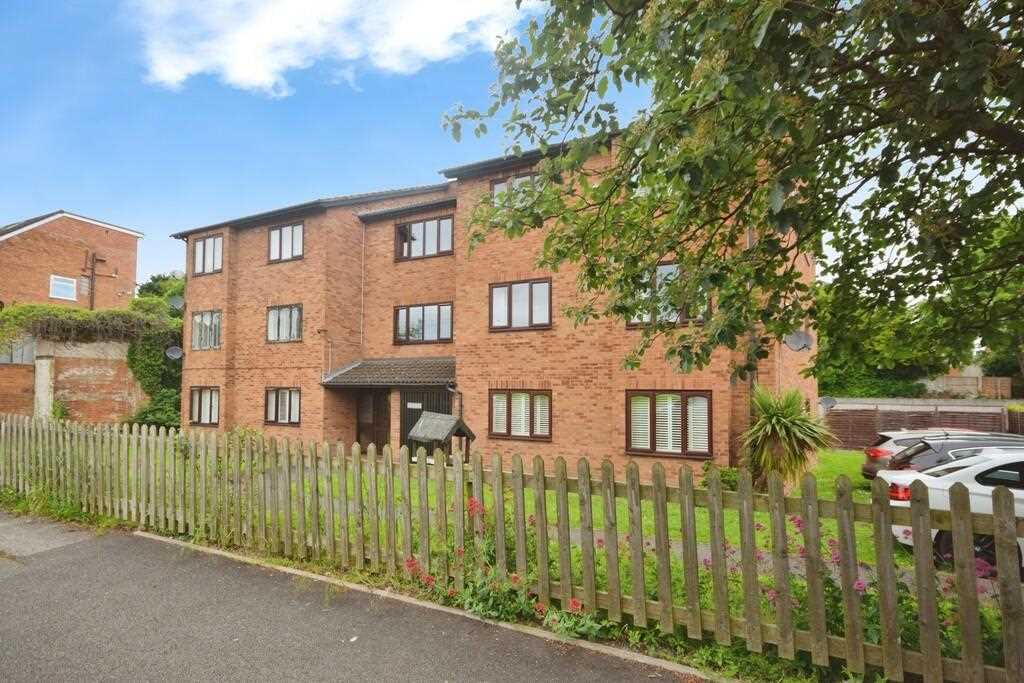
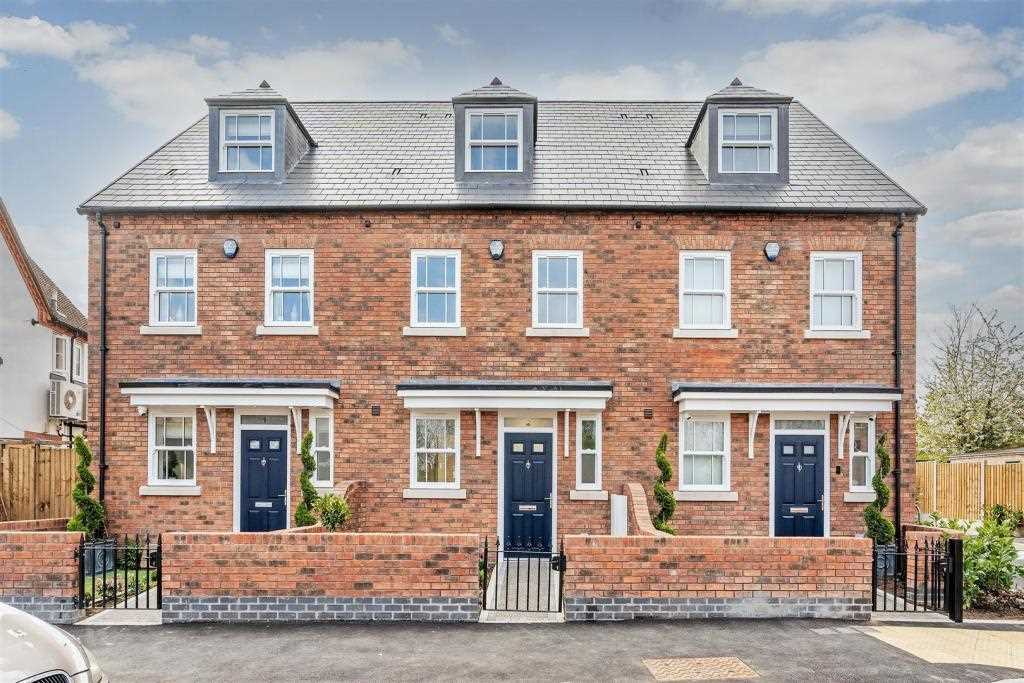
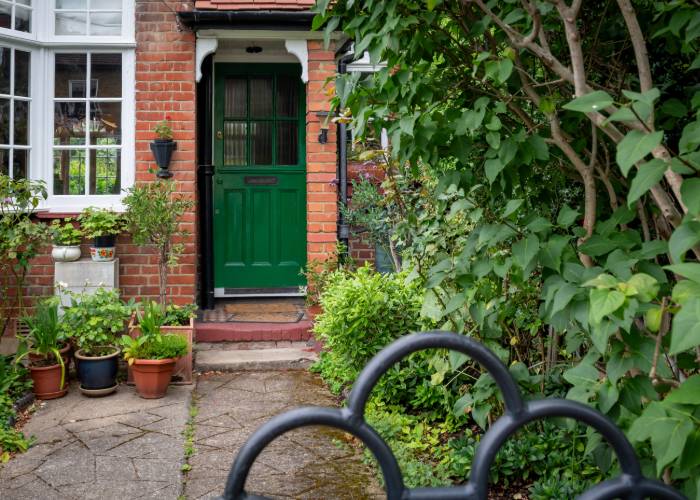
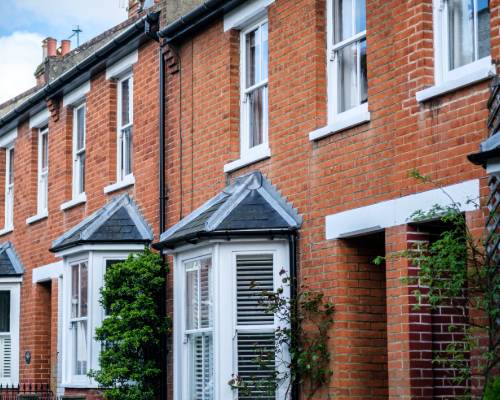
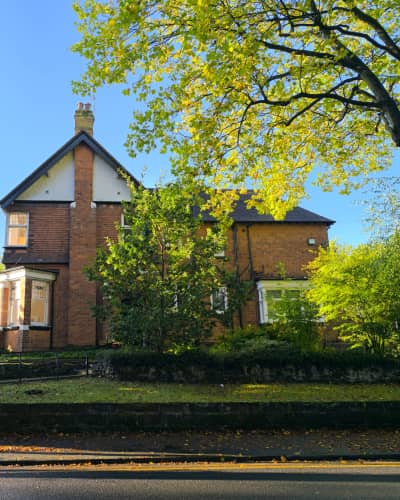
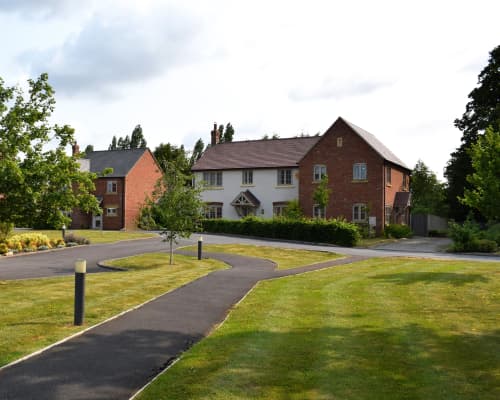
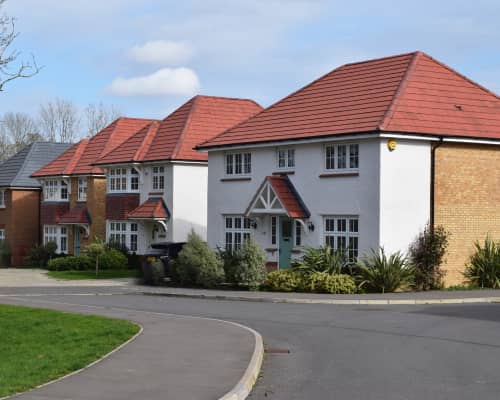
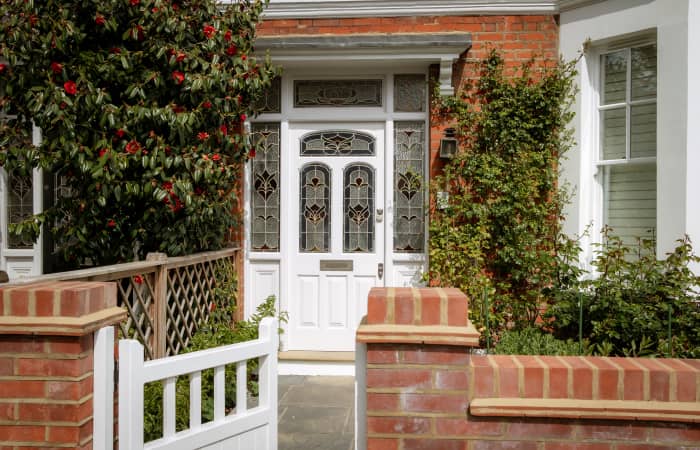
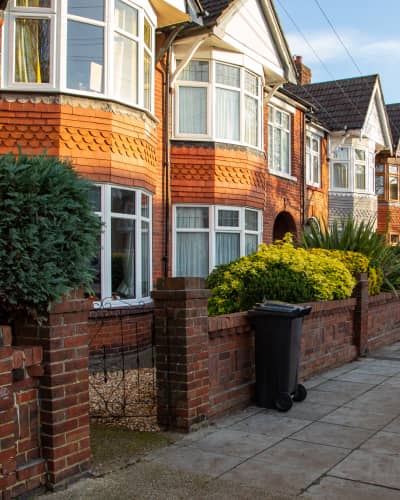
Property styles in Olton: The Olton property market is known for its Victorian and Edwardian houses, many of them large detached and semi-detached properties built during the development boom that followed the arrival of the railway. Away from the conservation areas, you’ll also find inter-war semis, bay fronted terraces and a smaller number of purpose built flats and conversions, particularly around Warwick Road and Olton Court.
The best regarded streets for period property: these sit around St Bernard’s Road, Grange Road and Kineton Green Road, where large detached and semi-detached houses on generous plots command the highest prices in the suburb. Streets closer to Warwick Road and the train station tend to offer a smaller range of terraced houses and flats, generally at a lower price point and popular with first time buyers and tenants.
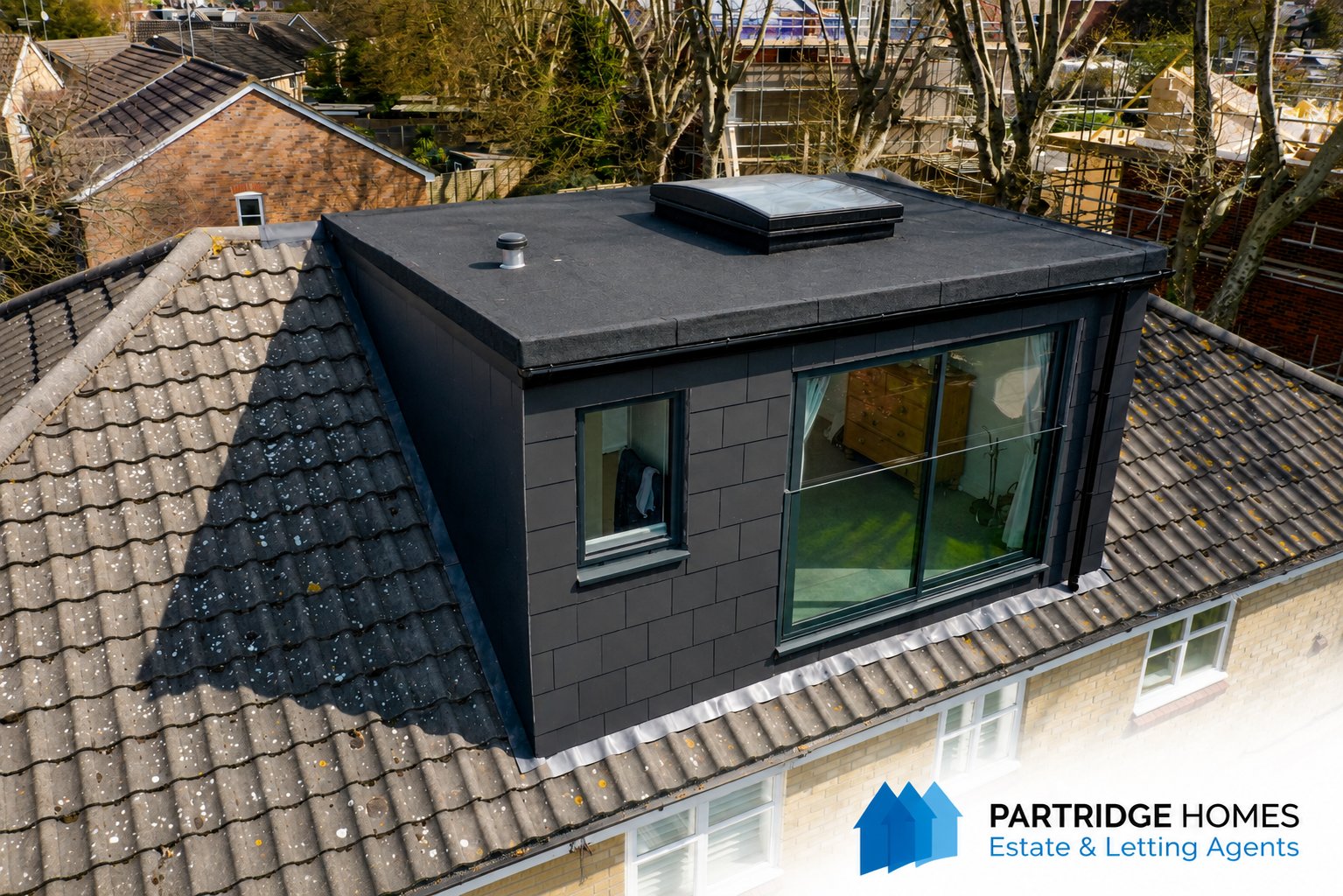
Development in Olton: Olton is a largely built out suburb, so planning activity here tends to be small in scale, made up mostly of extensions, loft conversions and the occasional replacement dwelling rather than new build schemes.
Solihull Council’s emerging Local Plan, under review through 2026, is planning for a significantly higher number of new homes across the borough up to 2043, though no major new development site has yet been identified within Olton itself.
Property prices: The average sold price across Olton over the past year was £310k, down slightly on the previous year and around 2% below the 2023 peak of £316k. Semi-detached houses, the most common property type sold in the area, averaged £324k, while terraced houses averaged £289k and flats averaged £152k. Across the wider Solihull borough, the average house price stood at £330k in March 2026, giving a sense of how Olton, Solihull compares with the local authority as a whole.
Rental market: Average monthly private rents across the Solihull local authority area, which includes Olton, stood at £1,259 in 2026, up 1.1% on the £1,245 recorded a year earlier. That’s a smaller rise than the West Midlands region saw over the same period, suggesting rents locally have held fairly steady rather than climbing sharply. The range of period conversions, semis and smaller flats near the station gives landlords a reasonably wide spread of stock to let, with tenants drawn by the quick trains into Birmingham.