Want To Let Or
Sell Your Property?
Then get started with a FREE, accurate valuation today.


Selling your home is one of the biggest financial decisions you’ll make, and the difference between a good result and a great one often comes down to preparation. Some improvements take months and a significant budget. Others take a weekend and cost very little. Knowing which is which, and where to focus your energy, is what separates sellers who achieve their asking price from those who don’t.
To cut through the noise, we sat down with Calum Partridge, Sales Director at Partridge Homes, to get his honest take on where sellers in Birmingham and Solihull should be putting their time and money right now.
Calum: Not at all. Adding value to your property doesn’t always mean spending a fortune. Even small, inexpensive improvements like a professional clean, a fresh coat of paint, or minor repairs can significantly improve its appeal and help you achieve a quicker sale at a better price.
The mistake a lot of sellers make is either doing nothing or overcapitalising on the wrong things. The goal is to present the property in the best possible light for the price range it’s in, not to renovate it to a standard that the market won’t reward.
Calum: We’re currently experiencing our record year to date in close to 20 years of trading. The Yardley market is exceptionally strong right now. We’re seeing demand from first-time buyers, investors, and families alike. If you’ve been thinking about selling, the conditions right now are as favourable as we’ve seen in a very long time.
The average first-time buyer price across Birmingham sits at £211,033, which compares well against Manchester at £240,030 and the England average of £245,786. That affordability story is driving real demand, and sellers are benefiting from it.
Calum: More than ever, buyers are paying attention to the day-to-day functionality and practicality of a property: running costs, the level of maintenance required, and whether they can genuinely see themselves living there long-term. You should show potential buyers that your home is well-maintained, energy efficient, and intentionally put together.
Research supports this: over 70% of buyers now prioritise energy efficiency, and 59% say they would pay a premium for a home with strong environmental credentials (Home Improvement Index, 2025). That’s not a niche concern anymore — it’s mainstream.
Calum: The ones that improve function, energy performance, and first impressions. In that order. Luxury and vanity upgrades rarely pay back at the price point most sellers are operating in.
Based on Calum’s experience and the current evidence, here are the areas worth your attention.
If your budget allows, adding usable floor space is the single most reliable way to increase a property’s value. Analysis of Nationwide’s house price data shows that an extension or loft conversion adding a bedroom can boost value by up to 24%. That’s a meaningful number, but it needs to be weighed against cost and planning requirements.
For most Birmingham and Solihull homes, a well-executed loft conversion sits at the top of the list for return on investment.
The kitchen remains the room buyers scrutinise most. A dated kitchen signals maintenance costs and a project to the buyer, both of which push offers down. You don’t need a full redesign: updated worktops, new cabinet doors, and modern fixtures can transform the room’s feel without a full strip-out.
Homes with updated kitchens sell for around 7% more on average (Houzz Kitchen Trends Study, 2023). Kitchen renovation spend rose 34% in 2024, with a median project cost of £17,500, so calibrate your spend to what your price bracket will reward.
Buyers form a view within seconds of arriving at a property. A tidy front garden, clean render or brickwork, and a well-maintained front door cost relatively little but carry real weight. Research shows that homes with strong kerb appeal sell for an average of 7% more than comparable homes nearby, rising to 10–11% in slower markets.
In practical terms: pressure-wash the driveway, repaint or replace the front door, clear any overgrown planting, and fix anything that looks neglected. It’s the cheapest value-add on this list.
This has moved from a compliance issue to a genuine pricing factor. Properties rated A or B on their Energy Performance Certificate can sell for up to 14% more than a G-rated equivalent, with the typical premium for higher-rated homes running at 5–14% compared to less efficient properties.
In 2026, EPC requirements are playing a bigger role in buyer decisions than ever, with lenders also factoring efficiency ratings into mortgage decisions. If your home is rated D or below, even modest improvements, loft insulation, draught-proofing, a more efficient boiler, or solar panels, can shift your rating and your price.
A quality conservatory or glass room typically adds 5–10% to a property’s value. Modern installations with proper thermal glazing perform better than older, poorly insulated conservatories, which buyers often view as a liability. If you have an existing conservatory that’s cold in winter and unusable in summer, upgrading the glazing and insulation before sale can shift buyer perception significantly.
Calum is direct about this: luxury upgrades that don’t match the price bracket of the property rarely pay back. A high-spec bathroom in a two-bedroom terrace, a home cinema room, or a full landscaped garden redesign are unlikely to add their cost back to the sale price. Focus on what buyers in your market expect, not on what you personally would want.
Similarly, Calum is clear that modern auction routes are not the right choice for most sellers. If you’re considering this route, take advice before committing.
UK average property values reached £269,000 in June 2025, with annual growth of 3.7% (UK House Price Index, 2025). The UK home improvement market is expanding in step: valued at £11.2 billion in 2024 and projected to reach £16.67 billion by 2033, with nearly seven million homeowners planning renovation projects by 2027 at an average spend of £14,000 per project. The average renovation adds approximately 9% to a home’s value, with a 50% overall return on investment.
That context matters for sellers. Buyers are increasingly informed, and they know the difference between a property that has been thoughtfully prepared and one that hasn’t.
Deciding which improvements are worth making before your sale, and which to leave alone, is easier with someone who knows your local market well. If you’re preparing to sell in Birmingham or Solihull and want a clear view of what your home is worth now and what it could be worth with the right preparation, book a free valuation with Partridge Homes. Calum and the team can walk you through exactly where your money and effort will make the most difference for your specific property and price range.
Then get started with a FREE, accurate valuation today.
Then fill out the form & we’ll be in touch shortly

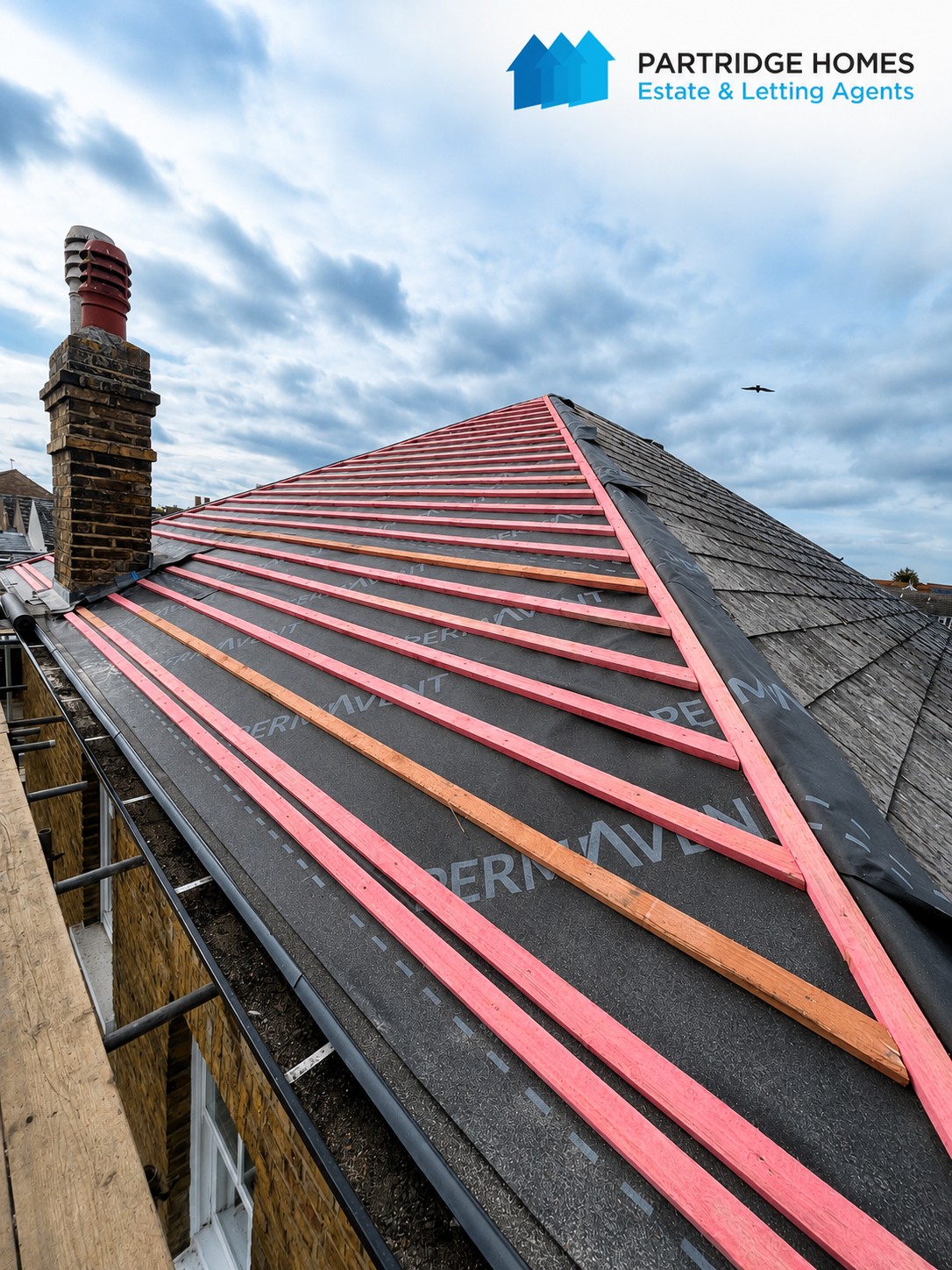
# Is It Time for a New Roof? Here's What It'll Cost You in Birmingham & Solihull A failing roof...
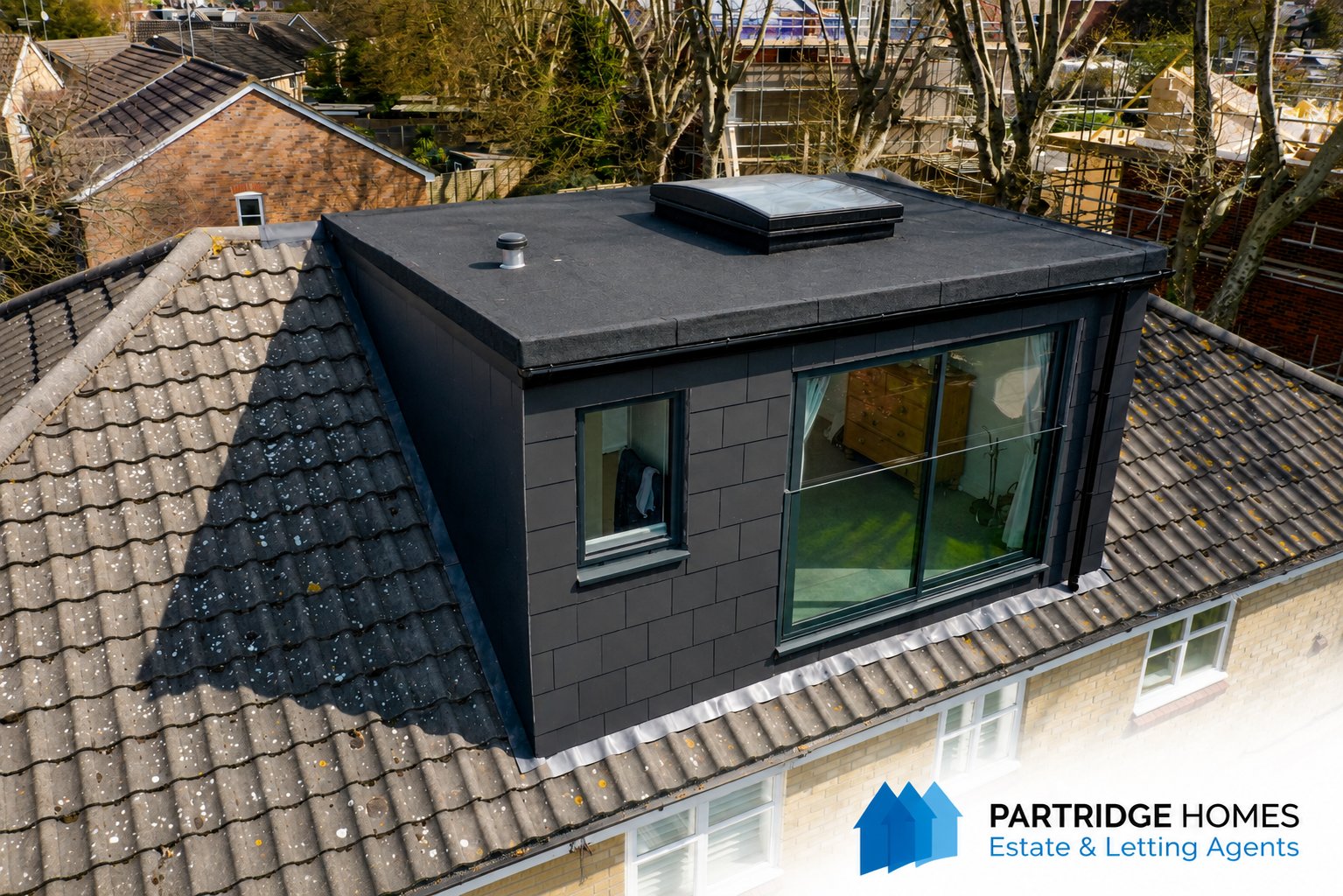
# Is a Loft Conversion Worth It in Birmingham or Solihull? Thinking of adding space without the upheaval of moving?...

## Is Your Home Sitting on a Hidden Liability? EPC ratings have quietly moved from paperwork formality to genuine financial...


"*" indicates required fields
"*" indicates required fields