Want To Let Or
Sell Your Property?
Then get started with a FREE, accurate valuation today.


Extending your home in Solihull before selling can be one of the smartest moves you make, or one of the most expensive mistakes. The difference usually comes down to which type of extension you build, how much you spend, and whether the finished result genuinely matches what buyers in your area are looking for. This guide covers the extension types most likely to pay off, the costs involved, and the practical considerations sellers need to think through before committing to a build.
The honest answer is: it depends. UK research suggests extensions can add anywhere from 10% to 25% to a property’s value, with the figure varying significantly by location, property type, and the quality of the work. On average, a well-executed extension delivers a return of around 71% on the cost of the build, with a typical profit of around £14,000. That is a meaningful gain, but it also means a significant portion of your spend does not come back to you at the point of sale.
The uplift is highest in areas where buyers are prepared to pay a premium for space. In London and the South East, mid-market homes with good extensions have seen value increases of up to £180,000. In the Midlands, figures are more moderate, typically in the £40,000 to £80,000 range depending on the property and the specification.
The key question for any seller is not “will this add value?” but “will the value added exceed what I spend?” That calculation depends on build costs, your current property value, and the ceiling price in your street or postcode.
The most popular choice for family homes, a single-storey rear extension typically creates an enlarged kitchen, an open-plan kitchen-dining space, or a garden room. These are consistently well-received by buyers because the benefit is immediately obvious and the space is used daily.
Build costs for single-storey extensions currently sit at around £2,890 per square metre on average, though this varies considerably with specification and location. A well-designed single-storey extension can deliver a 10% to 15% uplift in value, equivalent to £55,000 to £100,000 on a mid-range Birmingham or Solihull family home.
A double-storey extension adds more floor area for a proportionally lower cost per square metre, around £2,399/m² on average, because the foundations, scaffolding, and roof work are shared across both floors. This makes it more cost-efficient where planning permission allows.
The value uplift from a double-storey extension tends to be higher in absolute terms, though the upfront cost is greater. For sellers in Solihull or south Birmingham, where larger family homes attract buyers willing to pay for space, a double-storey extension that adds a bedroom and a bathroom alongside an enlarged ground floor can be a strong investment.
A loft conversion is often the most cost-effective way to add a bedroom, particularly on semi-detached and detached houses. Converting a loft into a usable room typically costs between £20,000 and £65,000 depending on the type of conversion, and can deliver a 15% to 25% value uplift.
Adding a bedroom, particularly one with an en-suite, shifts a property into a higher price bracket. A three-bedroom house that becomes a four-bedroom is appealing to a wider pool of buyers, which tends to support both the asking price and the speed of sale.
Not all value-adding work requires planning permission or a structural build. A quality kitchen or bathroom renovation can deliver a return of 60% to 100% on the cost of the work. These spaces are scrutinised closely by buyers, and a dated kitchen or a tired bathroom can suppress offers even on an otherwise well-presented property.
This is worth bearing in mind if your budget does not stretch to a full extension. Sometimes a £10,000 to £15,000 kitchen refresh moves the needle more than a poorly specified extension twice the price.
Many single-storey rear extensions fall within permitted development rights, meaning they do not require a full planning application. The rules depend on the size of the extension, your property type, and whether your home is in a conservation area or is listed. Checking this before you start is essential: building without the correct permissions creates a legal problem that will surface during conveyancing and can derail a sale.
Always obtain a Lawful Development Certificate from your local planning authority where permitted development is being relied upon. This is a relatively straightforward process and gives you a document you can hand to your solicitor at the point of sale.
Even where planning permission is not required, building regulations approval almost always is. This covers structural integrity, fire safety, insulation, and drainage. Work carried out without the necessary sign-off is a material issue for buyers and their mortgage lenders. Ensure your contractor applies for approval at the start of the project, and obtain the completion certificate when the work is signed off.
Under material information requirements introduced by Trading Standards and now embedded in industry guidance for estate agents, sellers are required to disclose anything that would affect a buyer’s decision. This includes any extension or alteration to the property. Your agent will ask about planning history, building regulations, and any structural changes as part of preparing the listing. Having the paperwork in order before you go to market avoids delays later.
Buyers in Birmingham and Solihull are, broadly speaking, practical. An extension that is well built, properly insulated, and finished to a standard consistent with the rest of the house will be valued accordingly. An extension that looks like an afterthought, or that uses cheaper materials that clash with the original property, can actually put buyers off rather than attract them.
If you are building an extension specifically to add value before a sale, it is worth spending time on the details: bi-fold or sliding doors onto the garden, good natural light, underfloor heating in a kitchen extension. These are the features buyers notice and remember.
This is the question most sellers wrestle with. Building an extension takes time, money, and disruption. If you are looking to sell within six months, a major build is unlikely to be practical. In that case, it is worth asking your agent whether the value of the potential extension is better captured by marketing the property with planning permission already in place. Approved plans add appeal to buyers who want to extend themselves and are often a more straightforward route than completing the work yourself.
If you have more time and a clear financial case for the build, the numbers can stack up well. The key is getting an honest assessment of likely end value before you commit, which means speaking to an agent who knows the specific streets and price points in your area, not just the regional averages.
If you are weighing up whether to extend before selling, or simply want to understand what your property is worth now and what it could be worth with more space, Partridge Homes can give you a clear-eyed view. Book a free valuation to get started, or contact the team to talk through your options before you make any decisions.
Then get started with a FREE, accurate valuation today.
Then fill out the form & we’ll be in touch shortly

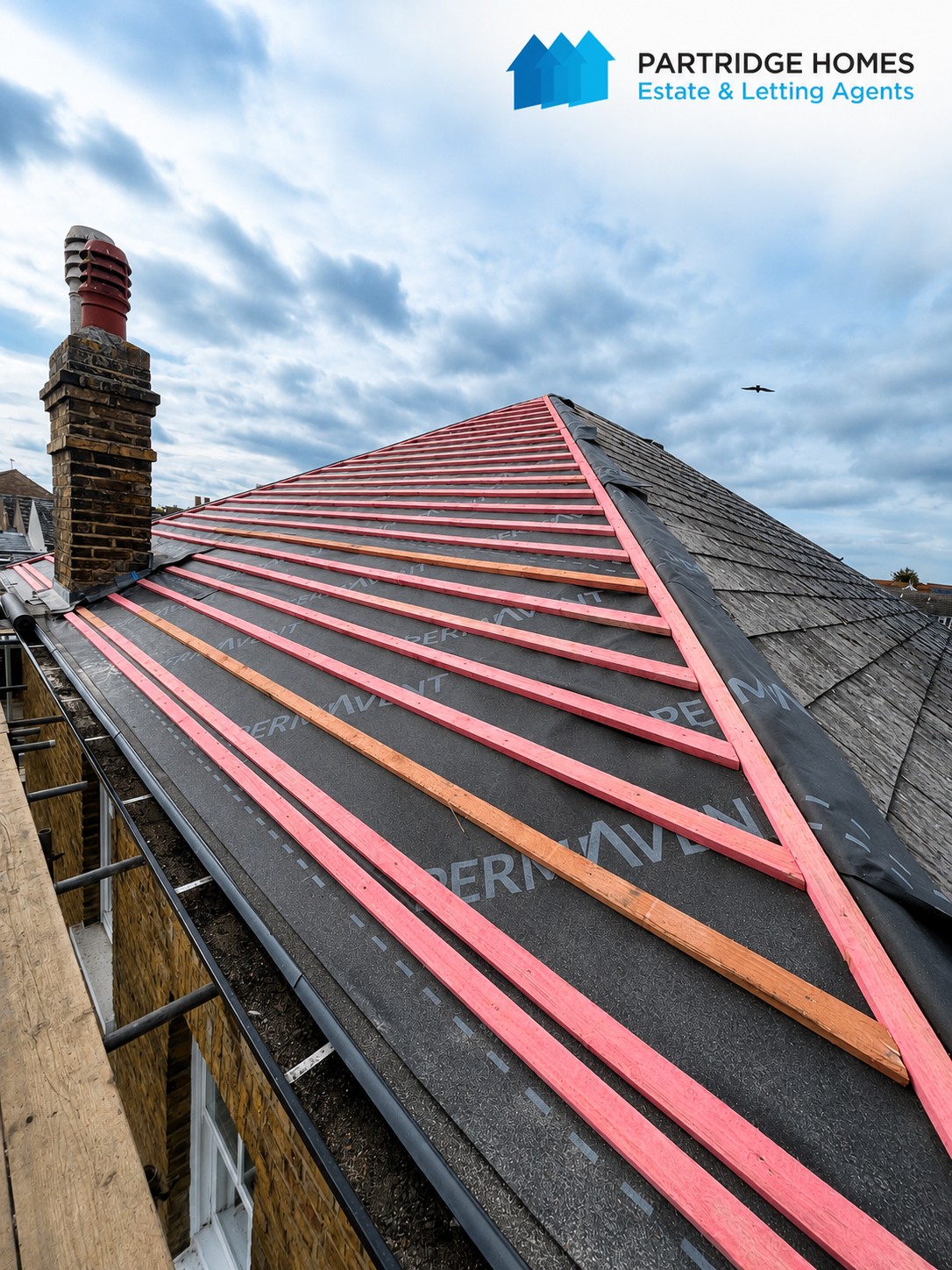
# Is It Time for a New Roof? Here's What It'll Cost You in Birmingham & Solihull A failing roof...
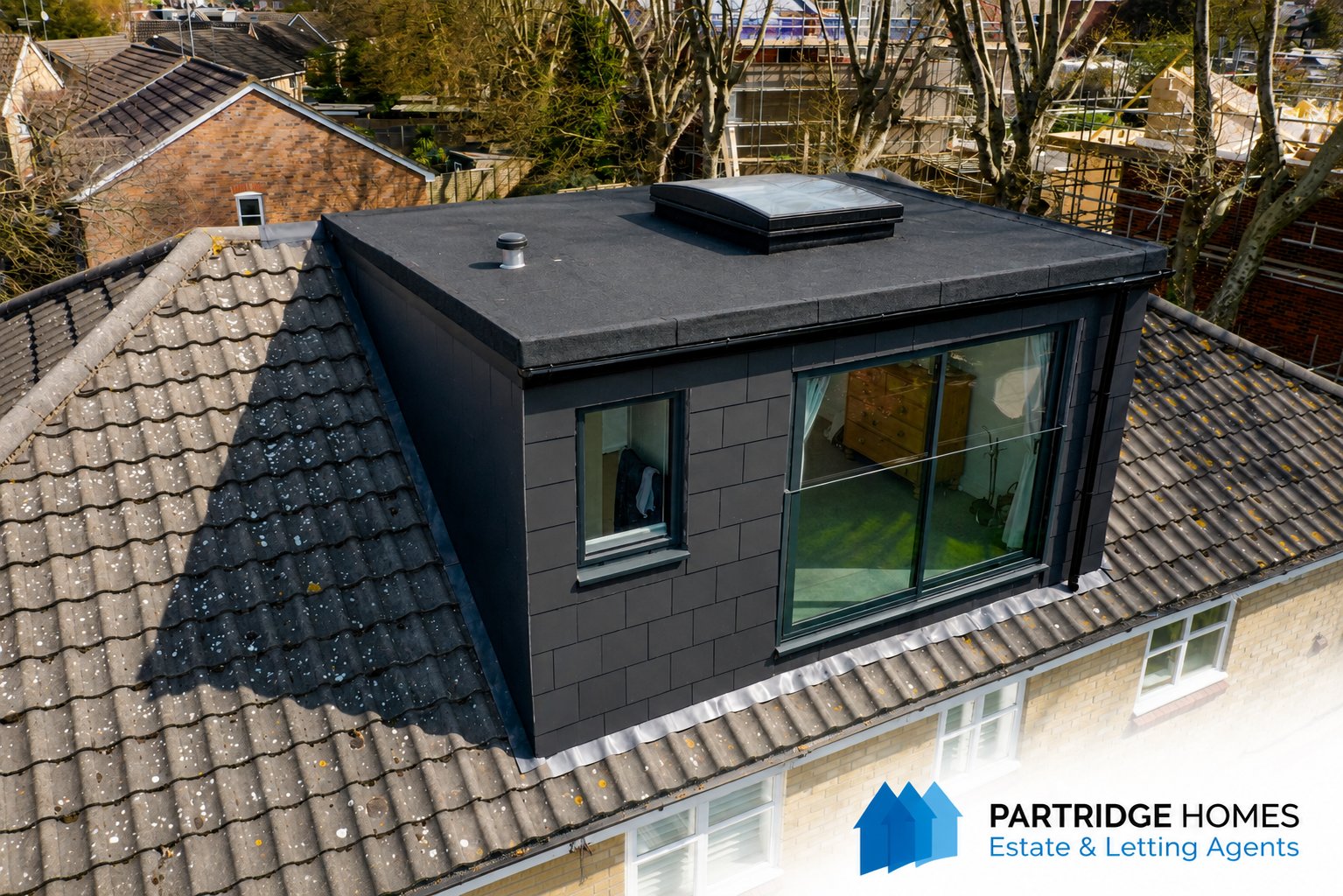
# Is a Loft Conversion Worth It in Birmingham or Solihull? Thinking of adding space without the upheaval of moving?...

## Is Your Home Sitting on a Hidden Liability? EPC ratings have quietly moved from paperwork formality to genuine financial...


"*" indicates required fields
"*" indicates required fields